
Peperomia caperata
Peperomia caperata Yunck.
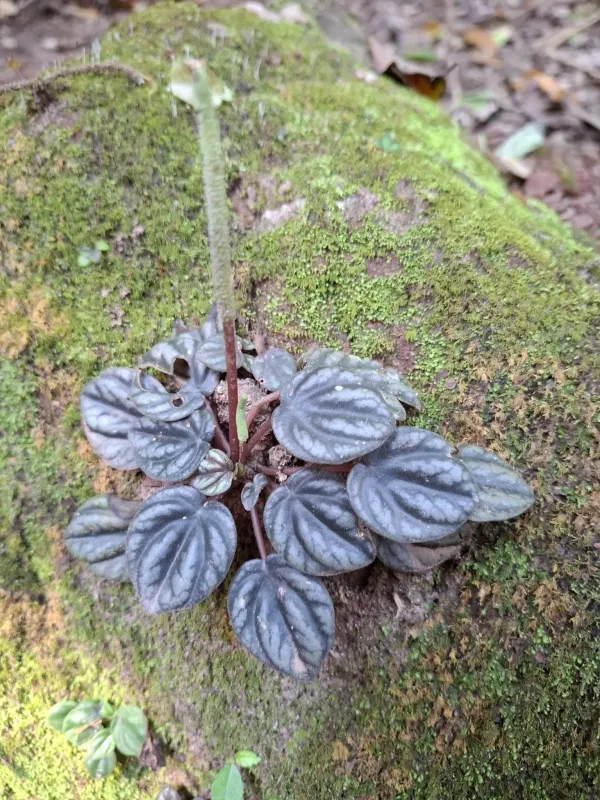
Description
Growing requirements
Peperomia caperata, commonly known as the emerald ripple peperomia, is a popular ornamental plant belonging to the Piperaceae family. It originates from the tropical rainforests of Brazil, which dictates its specific environmental preferences.
The plant is characterized by its compact, clumping growth habit, featuring heart-shaped, corrugated leaves with deep ridges. These botanical traits make it highly sought after as a decorative foliage species for indoor cultivation.
Optimal growth requires bright, indirect light. Direct sunlight can cause leaf scorching, while low light conditions lead to leggy growth and loss of the intense coloration of the foliage.
The ideal growing medium should be well-draining and aerated. A standard mix for this crop includes peat moss, perlite, and pine bark, providing a slightly acidic environment that promotes healthy root development.
Watering management is the most critical aspect of care. The substrate should be allowed to dry out partially between waterings to prevent root suffocation and the onset of pathogenic fungi.
Main diseases and pests
Root rot, caused by Pythium or Phytophthora species, is the most common disease for this plant. It is almost exclusively triggered by overwatering and lack of proper soil drainage.
Common pests include mealybugs and spider mites. These insects thrive in dry environments and tend to congregate in the crevices of the wrinkled leaves, making them difficult to detect early.
Fungal leaf spots can occur if the foliage is kept wet for extended periods, especially in environments with poor air circulation or high humidity.
Management of pest outbreaks involves systemic insecticides or horticultural oils, while disease prevention relies on strict hygiene and proper watering techniques.
Regular inspection of the root collar and the undersides of leaves is recommended to detect any signs of infestation or decay before they cause irreversible damage to the plant.