
Peperomia obtusifolia
Peperomia obtusifolia (L.) A. Dietr.
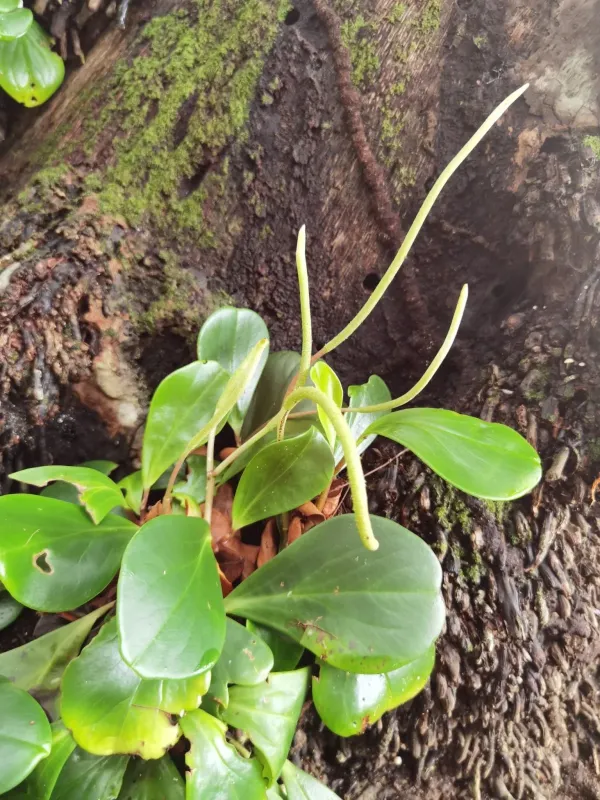
Description
Growing requirements
Peperomia obtusifolia is a popular decorative plant belonging to the Piperaceae family. It is native to the tropical regions of Central and South America, where it thrives in the shady understory of rainforests.
The plant requires a stable temperature range between 18°C and 25°C to maintain healthy physiological processes. It is highly sensitive to cold drafts and sudden drops in temperature, which can inhibit its growth and cause leaf drop.
Cultivation necessitates a well-draining, nutrient-rich potting medium. A mixture of peat moss, perlite, and pine bark is often recommended to ensure proper aeration for the root system, preventing compaction over time.
Regarding light, this species prefers bright, indirect sunlight. Direct exposure to intense solar radiation can cause leaf scorching, while insufficient light leads to stem stretching and loss of the plant's characteristic succulent appearance.
Water management is the most critical aspect of the plant's agrotechnics. The substrate must be allowed to dry out significantly between watering intervals. Overwatering is the primary cause of decline for this crop.
Main diseases and pests
The primary pathological threat to Peperomia obtusifolia is root rot caused by pathogenic fungi such as Phytophthora or Pythium. These pathogens thrive in waterlogged, poorly aerated soil environments.
Common insect pests include mealybugs, which conceal themselves in leaf axils and stems. These pests damage the plant by extracting phloem sap, leading to stunted development and the secretion of honeydew that attracts sooty mold.
Spider mites are another major concern, particularly in environments with low relative humidity. They feed on the underside of leaves, causing chlorosis, visible as a fine speckled pattern on the upper leaf surface.
To control pest infestations, professional growers utilize horticultural oils or systemic insecticides applied directly to the affected areas. Early detection through regular crop inspection is vital for effective management.
Preventative care also involves maintaining good air circulation around the plants and avoiding overhead irrigation, which keeps foliage wet and creates favorable conditions for fungal spore germination.