
Peperomia Piccolo Banda
Peperomia albovittata C. DC. x P. argyreia (Miq.) É. Morren
Description
Growing requirements
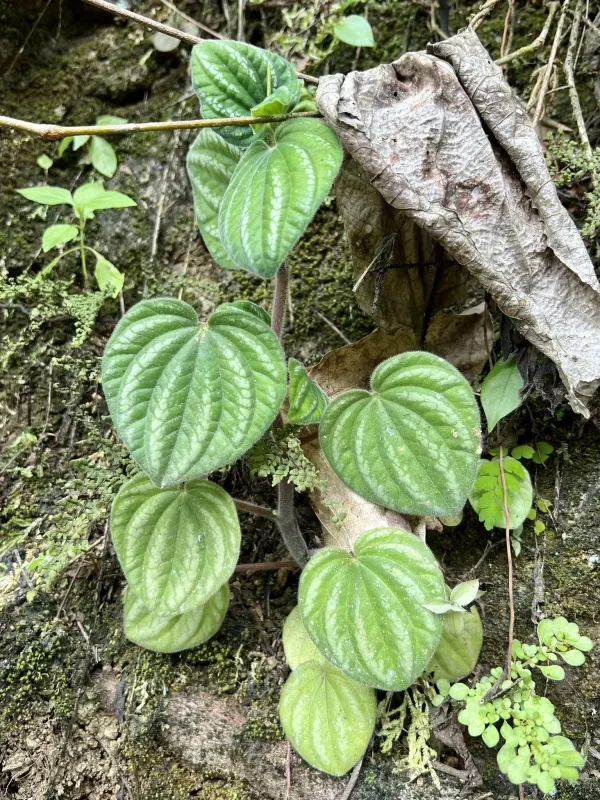
Peperomia Piccolo Banda is a decorative plant cultivar belonging to the Piperaceae family, derived from hybridization between P. albovittata and P. argyreia. This species is highly regarded for its distinctive, rippled silver leaves and dark venation.
Originating from the tropical understories of South America, the culture thrives in environments characterized by filtered sunlight and high ambient humidity. It is an ideal plant for indoor cultivation where temperatures remain consistently between 18°C and 25°C.
For successful growth, the substrate must be highly porous and well-aerated. A blend of peat, perlite, and coarse sand provides the necessary structure to prevent compaction, which is crucial for the health of the plant's delicate fibrous root system.
Watering requirements follow the cycle of allowing the top layer of the soil to dry out before the next irrigation. Maintaining this cycle prevents oxygen deprivation in the roots and ensures that the plant does not succumb to physiological stress.
In terms of хозяйственное (economic) use, this plant is cultivated primarily for the horticultural market as an ornamental indoor crop. Its slow growth rate and compact habit make it a preferred choice for residential interiors and commercial botanical displays.
Main diseases and pests
The primary threats to this crop involve fungal pathogens that affect the root system, specifically Pythium and Phytophthora, often triggered by over-irrigation. Proper soil management and the use of sterile growing media are essential control measures.
Pest pressure is mainly attributed to sap-sucking insects like mealybugs and spider mites. Regular scouting and immediate application of horticultural soap or systemic insecticides are required to manage infestations before they impact plant health.