
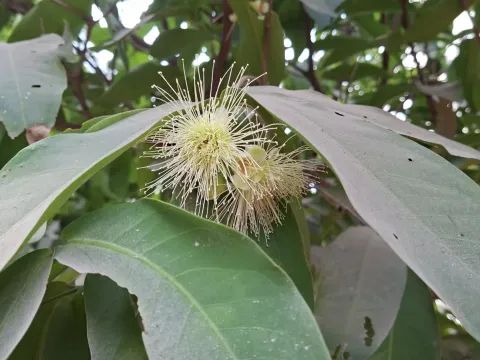
Waterhousea
Waterhousea B. Hyland
Waterhousea is a genus of evergreen trees belonging to the Myrtaceae family, native to the tropical rainforests of eastern Australia. These trees are known for their dense canopy and rapid growth rate, making them highly valued in warm-climate landscaping.
What the section contains

Waterhousea
Cultivation of Waterhousea requires deep, fertile, and well-drained soils. They thrive in environments rich in organic matter, which supports their vigorous growth and maintenance of deep green foliage throughout the year.
The climate requirements for this genus are distinctly tropical or subtropical. They prefer areas with consistent rainfall and high humidity, and they should be protected from harsh winds and freezing temperatures that can cause significant damage.
Agronomic practices for Waterhousea involve consistent irrigation, especially during the establishment phase and dry seasons. Mulching the base of the trees helps maintain soil moisture levels and reduces weed competition around the root zone.
Pruning is an essential part of the care regime, allowing the gardener to manage the tree's size and encourage a thicker canopy. By removing dead or crossing branches, one ensures better light penetration and air circulation, promoting overall tree health.
The primary threats to Waterhousea include fungal pathogens, particularly those triggered by high humidity levels or poor air circulation. Regular inspection of the leaves and stems is vital for identifying outbreaks early.
Scale insects and mealybugs are common pests that attack younger foliage and shoots. Integrated pest management strategies, including the use of horticultural oils, are effective in minimizing the impact of these infestations.
Root rot caused by Phytophthora species is a serious concern in poorly drained soils. Ensuring that the planting site has excellent drainage is the most effective preventative measure against this lethal disease.
Nutrient deficiencies, specifically iron or magnesium, can cause yellowing of the leaves, known as chlorosis. This can be mitigated through targeted soil amendments and regular monitoring of the soil's pH levels.
Mechanical injuries to the trunk or branches can act as entry points for decay-causing organisms. Protecting the tree from physical damage during landscaping maintenance is essential for its longevity and disease resistance.