
Weeping lilly pilly
Waterhousea floribunda (F. Muell.) B. Hyland
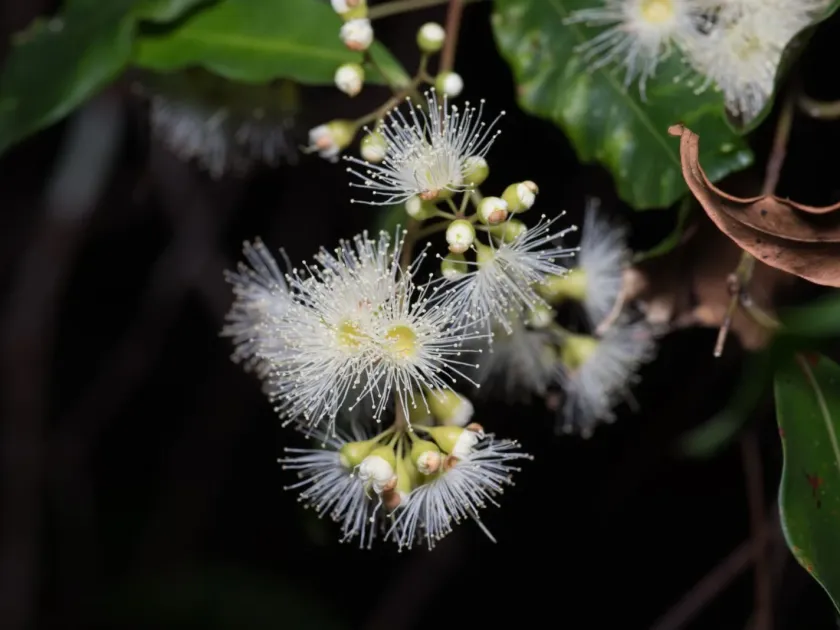
Description
Growing requirements
Waterhousea floribunda, commonly known as the Weeping lilly pilly, is a member of the Myrtaceae family. It is a large, evergreen tree that is highly valued for its elegant, weeping habit and lush, dense foliage.
This species is native to the eastern coast of Australia, particularly along riverbanks and in rainforest environments. It thrives in regions with warm temperatures and high relative humidity throughout the year.
For optimal growth, it requires deep, nutrient-rich soils that possess good water-holding capacity. While it can adapt to various soil types, loamy soils amended with organic matter provide the best results for rapid establishment.
The agronomic management of this crop involves adequate irrigation to maintain soil moisture, especially during the active growth phase. Young trees require protection from harsh winds and direct afternoon sun until they become fully established.
Its primary use is in urban forestry and landscape architecture. It is frequently employed as a tall screening plant or a specimen tree in parks where its distinctive weeping form can be fully appreciated.
Main diseases and pests
The most common pests affecting this species include psyllids, which cause characteristic leaf distortion and pitting. Integrated pest management using systemic oils or beneficial insects is recommended to control these outbreaks.
Fungal infections, such as leaf spot or sooty mold, may develop in high-humidity climates if the tree is planted too densely. Ensuring proper spacing between plants is essential to maintain adequate airflow.
Root pathogens can become a significant issue in poorly drained sites with high clay content. Incorporating gravel or sand into the planting hole can significantly reduce the risk of root-related failures.
Scale insects can occasionally infest the stems, potentially weakening the plant if left unchecked. Physical removal or horticultural soaps are effective methods for small-scale management of these insects.
Regular monitoring of canopy health is required to detect early signs of nutritional deficiencies. Balanced fertilization ensures the tree retains its vibrant, deep green leaf color throughout the seasons.