
Velvet mesquite
Prosopis velutina Wooton
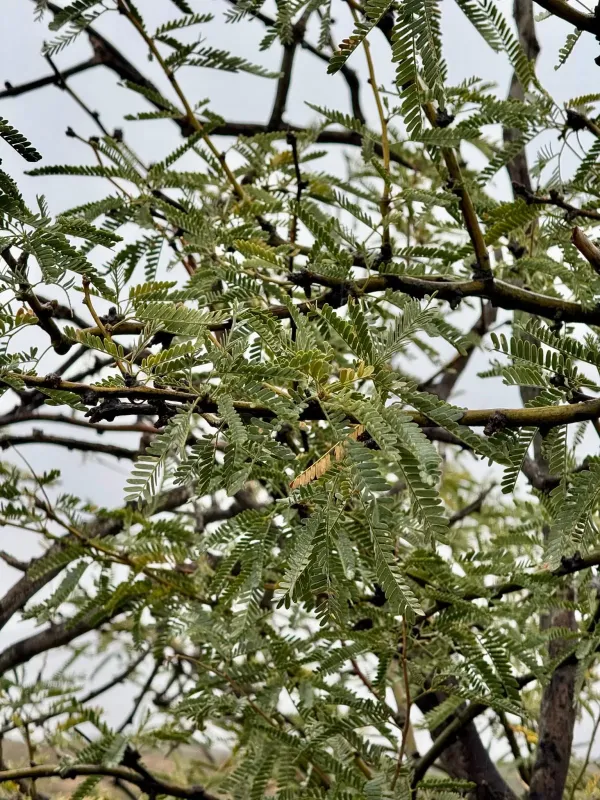
Description
Growing requirements
Velvet mesquite is a perennial leguminous tree native to the southwestern United States and Mexico. It is characterized by its high adaptability to arid climates and its ability to thrive in challenging environmental conditions where other crops fail.
The plant performs best in deep, well-drained soils, though it shows a remarkable ability to survive in diverse soil types. Its profound root system allows it to reach deep aquifers, making it highly drought-resistant and suitable for semi-arid agriculture.
As a nitrogen-fixing species, it plays a vital role in soil enrichment, which is highly beneficial for agroforestry systems. It is often used to stabilize soil and prevent erosion in desertified lands.
Climatically, the species requires intense solar radiation and warmth to reach its maximum productivity. It is well-suited for regions with high heat indices and limited seasonal rainfall, provided it is established during the initial phase.
Agricultural use of velvet mesquite is multifaceted; it is utilized as an excellent forage crop, a source of high-quality hardwood timber, and a significant nectar resource for honey production.
Main diseases and pests
The most common disease impacting velvet mesquite is root rot caused by poor soil drainage. Maintaining optimal drainage is essential, as waterlogging is the primary cause of plant mortality in managed orchards.
Seed-feeding insects, such as bruchid beetles, are significant pests that reduce the viability of harvested seeds. Integrated pest management strategies are often required to maintain seed health and productivity.
In certain ecosystems, the species can behave invasively, encroaching on grazing pastures. Management plans must include methods to regulate density to ensure the balance between woody biomass and grasslands.
Occasional fungal leaf spot infections may occur during periods of unseasonable high humidity, affecting the tree's vigor. Maintaining proper spacing between trees helps reduce the spread of such pathogens.
Periodic monitoring for stem borers is also recommended, as these insects can compromise the structural integrity of the timber, significantly reducing its commercial value for wood production.