
Chilean mesquite
Prosopis chilensis (Molina) Stuntz
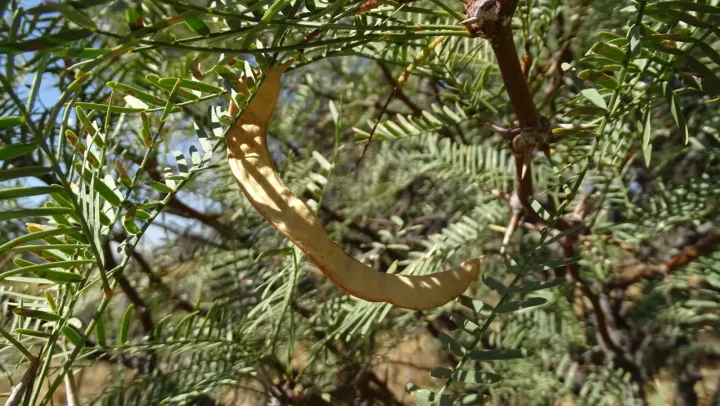
Description
Growing requirements
Chilean mesquite (Prosopis chilensis) is a prominent species within the Fabaceae family, widely recognized for its exceptional resilience in arid and semi-arid environments. It grows as a deciduous tree or large shrub with an expansive root system.
Originating from the dry regions of South America, specifically Chile, Peru, and Argentina, this culture has evolved to thrive in harsh climates. It has been successfully introduced to other hot, arid regions across the globe for land reclamation.
The plant is highly adaptable to a variety of soil types, ranging from sandy and rocky to highly saline soils. Its ability to fix atmospheric nitrogen makes it an excellent candidate for improving nutrient-poor soils in dryland farming systems.
Climate requirements focus primarily on high thermal needs and extreme drought tolerance. It flourishes in areas with high solar radiation and thrives where annual rainfall is very low or intermittent.
Economically, the tree is versatile, providing nutritious seed pods used for livestock fodder, high-quality durable timber, and acting as a crucial honey plant in beekeeping operations located in arid territories.
Main diseases and pests
The primary threats to Prosopis chilensis health come from specific seed-feeding insects, particularly bruchid beetles, which can infest the pods and drastically reduce the yield of viable seeds.
Root rot diseases may occur if the plant is subjected to poor soil drainage or excessive irrigation, which are counter-intuitive to its natural ecological niche requirements.
Young plants are susceptible to browsing by animals and rodents, which can damage the bark and stunt growth, necessitating protective measures during the early establishment phase.
In certain ecosystems, the tree's vigorous growth may lead it to become invasive, necessitating management strategies to control its spread and prevent it from outcompeting native vegetation.
Cultural practices such as proper pruning and maintaining appropriate spacing between trees are vital to ensure good air circulation and to minimize the risk of developing localized disease outbreaks.