
Prosopis argentina
Prosopis argentina Burkart
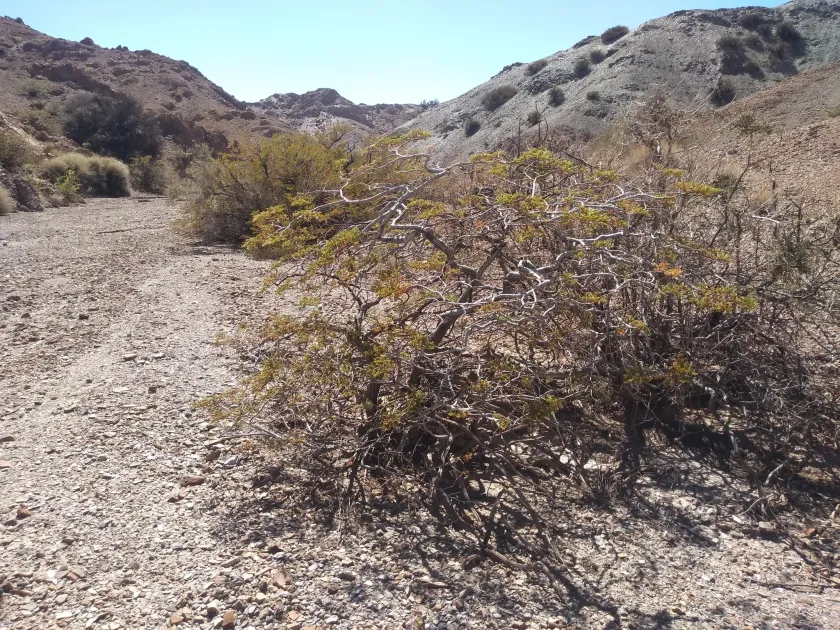
Description
Sowing dates
The sowing of Prosopis argentina seeds is carried out when the soil has warmed up sufficiently, ensuring uniform germination. In its native Argentine environment, seeds typically require scarification to break dormancy and improve emergence rates.
In managed cultivation, a nursery-based method is often preferred to protect seedlings from harsh environmental conditions during the initial growth stage. Transplanting into the field is best performed once stable, warm temperatures are established.
Planting density is determined by the intended purpose: tighter spacing is utilized for windbreaks or living fences, while agroforestry systems require wider gaps to accommodate the extensive root system.
Seeds maintain viability for several seasons if stored in cool, dry conditions. Soil preparation involves deep plowing or loosening, which facilitates better moisture penetration to the roots in arid zones.
Optimal sowing times are aligned with the regional rainfall calendar, aiming to benefit from natural precipitation during the establishment phase and reduce the need for artificial irrigation.
Growing requirements
Prosopis argentina is a characteristic xerophytic plant, perfectly adapted to the harsh conditions of arid and semi-arid regions. It demonstrates exceptional resilience to prolonged droughts and extreme ambient temperatures.
The crop prefers well-drained sandy or sandy-loam soils, though it remains productive on relatively nutrient-poor substrates. The plant does not tolerate waterlogging, making areas with high groundwater levels unsuitable for cultivation.
Light availability is a critical factor: the crop requires full, direct sun exposure for optimal development. Shading significantly slows down growth rates and decreases the overall bushiness of the plant.
The plant exhibits high tolerance to saline soils, rendering it a valuable candidate for the reclamation of degraded lands. It develops a deep taproot system, which allows it to tap into deep-seated moisture reserves.
In large-scale systems, mineral nutrition is often sustained by the natural fertility of the soil, though phosphorus fertilization can be beneficial during the early establishment phase to promote root growth.
Yield
The economic value of this crop is primarily derived from its biomass, which serves as a vital forage resource for livestock in dry regions. Green matter yield is directly linked to the frequency of rainfall and the age of the stand.
During the flowering period, Prosopis provides a significant nectar source, supporting local beekeeping activities. The high sugar content in the pods makes them highly desirable as a supplementary livestock feed ingredient.
The wood of this species is renowned for its high density and strength, making it a valuable raw material for various industrial uses. Wood harvest yields become significant as the stands reach maturity.
Seed production is high, enabling the use of the plant in large-scale reforestation and afforestation projects. Harvest is performed either manually or with mechanized equipment once the pods reach full maturity.
While biomass accumulation is relatively slow during the first few years, it increases significantly once the root system has matured and established itself in the deeper soil profiles.
Main diseases and pests
The primary diseases of this crop are related to fungal root infections often caused by poor irrigation management. High humidity combined with heat may also trigger the development of stem rot.
Pests affecting Prosopis are typically phytophagous insects that feed on foliage and young buds. In plantation settings, regular monitoring of insect populations is essential to prevent massive outbreaks.
Larvae of certain coleopteran species can damage pods and seeds, which can substantially reduce the quality and quantity of the harvest. Timely phytosanitary treatments are vital for population control.
Weed interference is a major challenge during the early stages of plant development. Consistent weeding and mulching of the root zone are effective practices to mitigate competition from invasive species.
Disease prevention relies heavily on maintaining proper moisture regimes and ensuring adequate airflow within the stand. Chemical control measures are only advised when the economic injury threshold is exceeded.
Harvesting
Harvesting the pods is timed according to their full maturity, identified by their characteristic color and firmness. In commercial orchards, mechanical shaking methods are employed to expedite the harvesting process.
Timber harvesting is conducted according to a planned cycle, which may take 15-20 years depending on the specific use. Wood is sorted based on physical quality characteristics and trunk diameter.
Green biomass can be harvested by careful pruning of lateral branches during the active growing season. This practice not only provides additional forage but can also help manage the plant's structural development.
After harvesting, pods require thorough drying to prevent decay and mold growth during storage. Proper dry storage conditions ensure the retention of the nutritional value of the beans for an extended period.
Post-harvest processing includes cleaning the seeds from vegetable debris, which enhances their marketability and quality as planting material for subsequent agricultural seasons.