
Prosopis alpataco
Prosopis alpataco Phil.
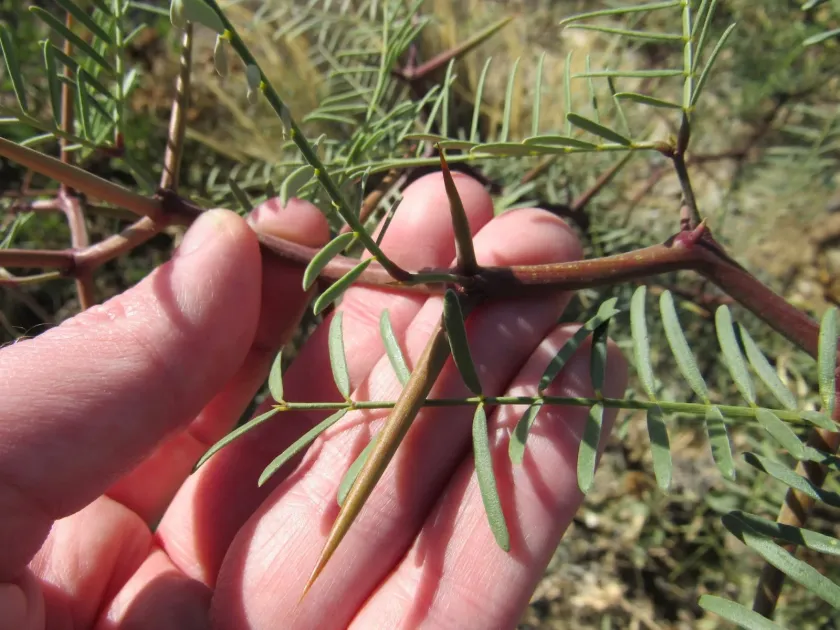
Description
Growing requirements
Prosopis alpataco is a leguminous tree species belonging to the Fabaceae family, native to the arid and semi-arid landscapes of Argentina.
This species is highly adapted to harsh environments, possessing a deep taproot system capable of tapping into groundwater even in extremely dry terrains.
The plant thrives in alkaline and saline soil conditions, making it an ideal candidate for reclamation projects in marginal or degraded agricultural lands.
It requires significant solar exposure and high ambient temperatures to complete its metabolic cycles, characteristic of the Patagonian scrub regions.
Prosopis alpataco demonstrates remarkable resilience to drought, maintaining its physiological functions even under low annual rainfall conditions.
Yield
The primary agricultural utility of this tree lies in its high-quality, dense timber, which is exceptionally durable and resistant to decay.
Pods produced by the tree serve as a vital source of protein-rich forage for livestock, supporting herd nutrition during periods of scarcity.
It acts as a nitrogen-fixing plant, which enriches the soil structure and provides a natural fertilization effect for neighboring plants in an agroforestry system.
The seeds have potential for sustainable food processing, offering a unique profile of nutrients that could be developed for specialized markets.
In addition to agricultural benefits, the tree provides significant ecological services, including soil stabilization and carbon sequestration in arid zones.
Main diseases and pests
Seed-feeding insects are the most significant biological threats to the species, as they can cause extensive damage to the reproductive potential of the pods.
Root rot pathogens may emerge if the soil remains waterlogged for extended periods, contradicting the plant's natural preference for well-drained substrates.
Overgrazing by domestic and feral animals presents a major obstacle to the survival of juvenile trees, as they lack defensive structures to withstand heavy browsing.
Environmental degradation and habitat fragmentation continue to jeopardize natural groves, leading to a decline in genetic diversity within the species.
Competition from invasive plant species can hinder the establishment of seedlings, as they may outcompete the young Prosopis for essential mineral nutrients.