
Uvaria sphenocarpa
Uvaria sphenocarpa
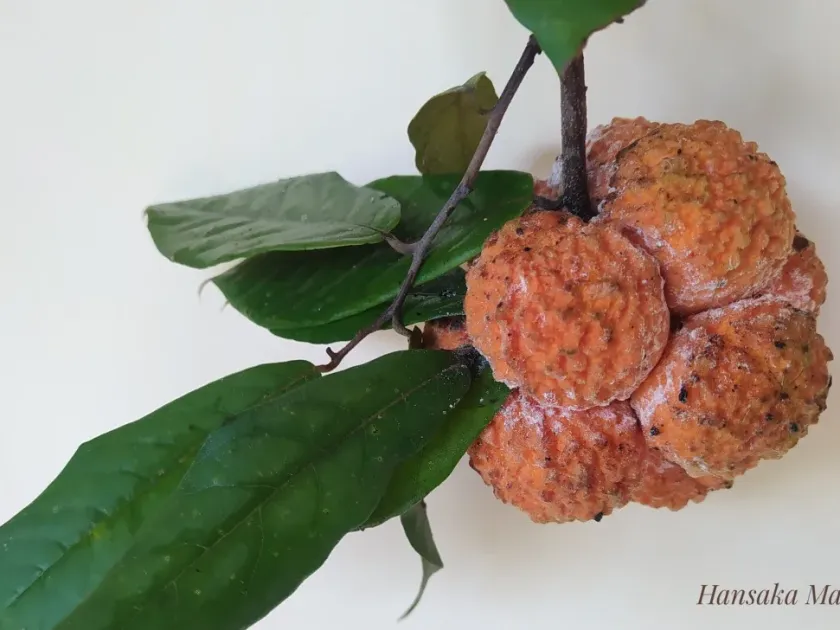
Description
Growing requirements
Uvaria sphenocarpa is a tropical woody plant belonging to the Annonaceae family. It is naturally found in the dense, humid rainforests of Southeast Asia, where it grows as a climbing shrub or woody vine.
The climate requirements for this species are strictly tropical. It thrives in high-temperature environments where the thermometer rarely drops below +20°C, and frost is completely absent, as it would be lethal to the plant.
Soil quality is paramount for Uvaria sphenocarpa. It demands a well-drained, nutrient-rich soil that is high in organic matter. A slightly acidic pH is generally preferred, mimicking the forest floor environment where leaf litter decomposition provides constant nutrients.
Watering requirements are high, especially during the active vegetative phase. The root system must remain moist but not waterlogged, as poor drainage can lead to root rot. High atmospheric humidity, ranging from 75% to 90%, is essential for the healthy development of its foliage.
Regarding light exposure, the plant is adapted to the understory, meaning it prefers partial shade. Direct, harsh sunlight can damage the leaves, causing scorch marks and reducing the overall vigor of the shrub.
Yield
The agricultural use of Uvaria sphenocarpa primarily centers on its edible fruits, which are valued for their unique organoleptic profile. While not a global commodity crop, it plays a vital role in local agro-forestry systems.
Yield capacity is influenced by consistent irrigation and the presence of pollinators. In its native habitat, it relies on specific forest insects for fruit set, so controlled pollination is a factor for indoor or plantation production.
Beyond food production, different parts of the Uvaria genus are recognized for their chemical constituents. Research into its phytochemical properties has shown potential in the development of bioactive compounds for traditional medicine.
The long-term yield potential is high if the plants are integrated into a multi-story canopy system. This type of farming mimics natural ecosystems, allowing the plant to reach its biological peak production over several years.
As interest in exotic fruits grows, Uvaria sphenocarpa is being studied as a potential candidate for small-scale specialty farming, provided that the necessary tropical climate conditions can be maintained consistently.