
Uvaria concava
Uvaria concava
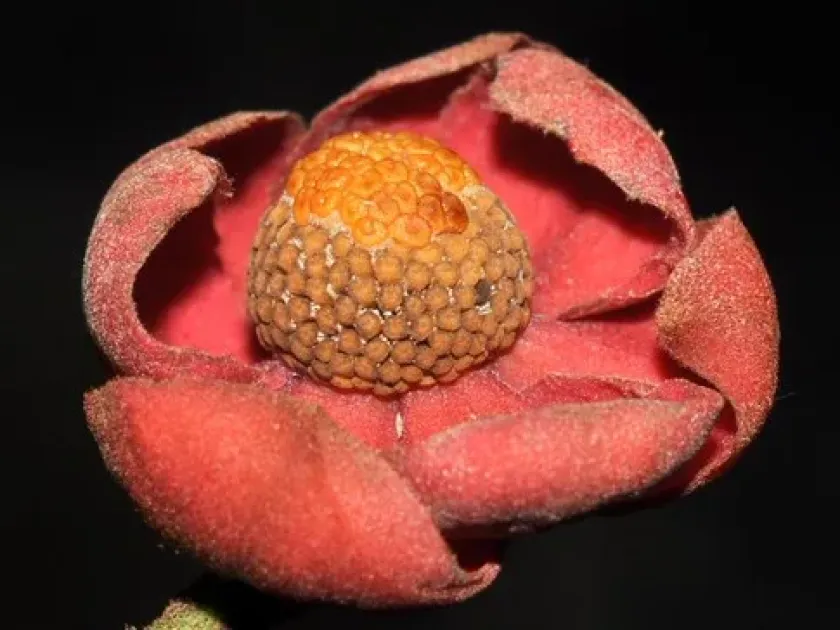
Description
Growing requirements
Uvaria concava is a distinctive species within the Annonaceae family, native to the tropical regions of Southeast Asia. It is a woody shrub that typically develops into a scandent climber, characterized by its unique concave leaf structure.
This species requires a tropical climate to flourish, demanding constant warmth and high humidity throughout the year. It does not tolerate cold temperatures or frost, making greenhouse cultivation necessary in temperate zones.
The soil should be fertile, well-draining, and rich in organic matter to mimic the natural forest floor conditions where this plant thrives. Proper moisture management is critical for the healthy development of its root system.
In terms of light, the plant prefers dappled sunlight. Intense direct sun can scorch the foliage, while complete shade significantly reduces the fruit yield and overall plant vigor.
Economically, Uvaria concava is valued for its edible fruits and its potential applications in traditional herbal medicine, where various parts of the plant are utilized for their bioactive compounds.
Main diseases and pests
Root rot is the most significant threat to Uvaria concava, typically caused by overwatering or poor soil drainage. Maintaining a proper aeration of the substrate is essential to mitigate this risk.
Pests such as mealybugs and scale insects frequently infest the stems and leaves, extracting nutrients and causing stunted growth. Integrated pest management strategies are recommended for control.
Fungal leaf spot diseases may occur during periods of high humidity and poor air circulation. Providing adequate space between plants and pruning helps maintain a healthy microclimate.
Soil-borne nematodes can pose a problem in sandy soil conditions, necessitating the use of organic amendments to suppress these populations effectively.
Monitoring for signs of stress is crucial, as yellowing leaves or wilting can often be early indicators of underlying nutritional deficiencies or pest outbreaks.