
Uvaria caffra
Uvaria caffra
Description
Sowing dates
Propagation of Uvaria caffra is most commonly performed through seeds or cuttings. Seeds require stratification or immediate sowing after extraction from ripe fruits, as their viability decreases rapidly.
When sowing, it is crucial to maintain a stable soil temperature between 22 and 25 degrees Celsius. The germination process can be slow and may take several months, requiring constant monitoring of substrate moisture.
Cuttings should be taken during the period of active sap flow using semi-hardwood stems. The use of rooting hormones significantly improves the success rate of young plant establishment.
Transplanting seedlings into open ground or permanent containers is performed after the risk of frost has passed. Shade is necessary for the first few weeks after transplanting to ensure proper root development.
The crop prefers loose, well-draining soil with a pH ranging from slightly acidic to neutral. For container-grown plants, a high-quality drainage layer at the bottom of the pot is essential.
Growing requirements
Uvaria caffra belongs to the Annonaceae family and is an evergreen shrub or small tree, sometimes displaying a liana-like growth habit.
In its natural habitat, the plant grows in tropical and subtropical regions of Africa. It prefers sunny or partially shaded locations with high atmospheric humidity.
The crop is extremely sensitive to low temperatures and does not tolerate even brief frosts. The optimal temperature range for normal development is between 20 and 30 degrees Celsius.
Watering requirements are quite high; during the growing season, the soil should always remain moderately moist. However, waterlogging the root zone can lead to rot and plant decay.
The plant responds well to organic fertilization at the beginning of the growing season. Regular balanced mineral fertilizers help maintain vigorous shoot growth and flower bud formation.
Yield
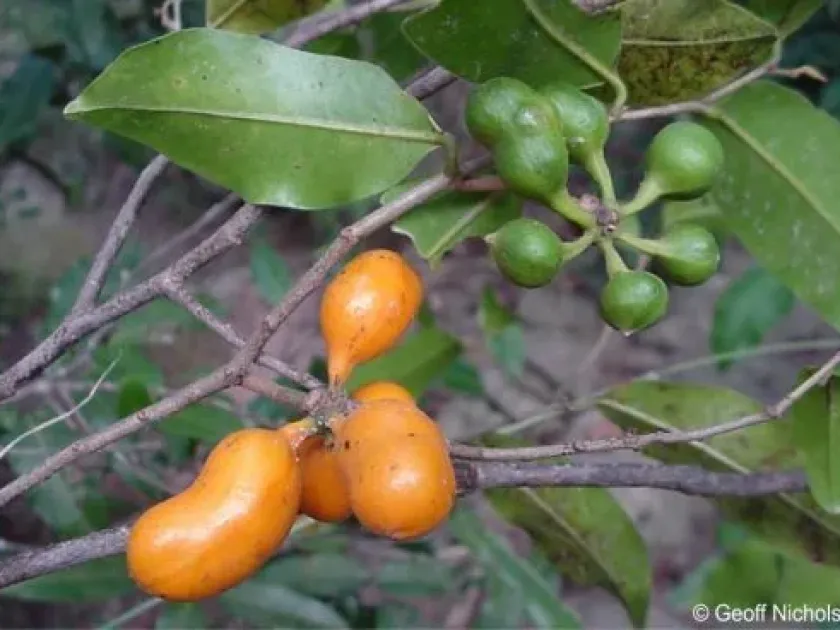
The fruits of Uvaria caffra are aromatic, juicy berries with an elongated shape, typically turning orange-red upon ripening.
The flavor profile is highly regarded, offering a pleasant sweet taste with a specific aroma reminiscent of apples mixed with exotic spices.
Yield depends on the age of the plant, light conditions, and the quality of agronomic care. In favorable conditions, a mature shrub is capable of producing abundant yields annually.
Fruits are often used in local culinary practices for making jams, jellies, and desserts, and are also consumed fresh as an exotic delicacy.
Economic use also includes ornamental gardening, as the plant features attractive foliage and unusual flowers, making it valuable for landscape design in warmer regions.
Main diseases and pests
The main threats to the plant in sheltered conditions are spider mites and scale insects, which proliferate rapidly in low-humidity environments.
Root rots are the most dangerous diseases caused by improper watering regimes and the use of heavy, poorly aerated soil mixtures.
In its natural environment, the plant may suffer from fungal leaf infections during prolonged rainy seasons, requiring prophylactic treatment with fungicides.
For pest control, it is recommended to use systemic pesticides or biological control methods, especially if the plant is grown in a home environment.
Regular inspection of the underside of leaves and timely removal of infected parts allow for minimizing the risk of widespread infestations or infections.
Harvesting
Harvesting is carried out selectively as the fruits change color from green to bright orange or red, indicating their full maturity.
It is important to harvest fruits carefully to avoid damaging delicate stalks and neighboring developing ovaries, as the plant tends to flower over a long period.
After harvesting, fruits should be consumed promptly, as they have tender skin and a limited shelf life at room temperature.
For long-distance transportation, fruits should be harvested at the stage of technical maturity and placed in ventilated containers to prevent spoilage.
Proper post-harvest care of the shrub, including sanitary pruning, stimulates the plant to prepare for the next fruiting cycle.