
Uvaria chamae
Uvaria chamae
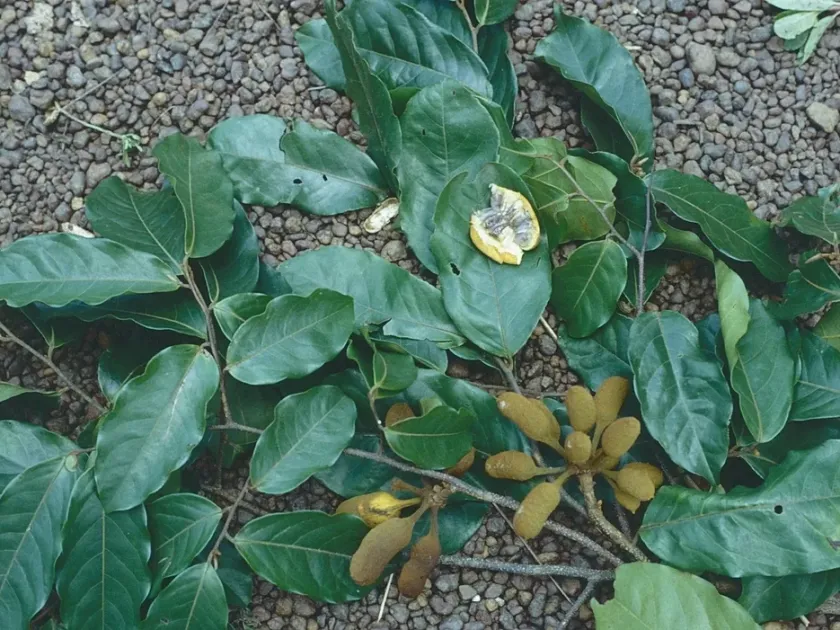
Description
Growing requirements
Uvaria chamae is a significant species belonging to the Annonaceae family. This evergreen shrub or small tree is indigenous to the tropical regions of West and Central Africa, where it thrives in diverse ecosystems.
The plant requires a tropical climate characterized by high humidity and consistent temperatures. It performs best in well-drained, fertile sandy or loamy soils with a pH ranging from 5.5 to 7.0.
Adequate sunlight is essential for the healthy development of Uvaria chamae, although young specimens benefit from light shade to prevent leaf scorch during the intense midday sun.
Agronomic practices focus on maintaining optimal soil moisture, as the plant is sensitive to both prolonged drought and waterlogged conditions that can cause root rot.
Regular fertilization with organic matter is recommended to support rapid vegetative growth and enhance the quality of both fruit and medicinal root production.
Yield
Uvaria chamae is widely recognized for its edible fruits, which are consumed locally and appreciated for their distinct flavor. They serve as an important nutritional supplement in rural diets.
The plant holds significant pharmaceutical potential due to the presence of bioactive compounds in its roots and bark. These parts are extensively used in traditional medicine for their antimicrobial properties.
Scientific interest in this species is growing, with studies investigating its applications in modern pharmacology to combat various bacterial and inflammatory conditions.
Commercial yields depend heavily on consistent irrigation and protection from pests. Proper canopy management ensures better fruit set and facilitates easier harvesting during the peak season.
The roots and aromatic twigs are also used in the preparation of traditional condiments, making the plant a multi-purpose resource for agricultural and artisanal processing.
Main diseases and pests
The primary threats to Uvaria chamae include fungal infections, particularly root rot, which are triggered by stagnant water and poor air circulation within the planting area.
Leaf-eating insects and various mite species can cause significant damage to the foliage, reducing the plant's overall vitality and photosynthetic efficiency.
Weed control is essential, as invasive species can easily outcompete the crop for soil nutrients, especially during the early stages of establishment.
Integrated pest management, including the use of neem-based oils or other organic insecticides, is recommended to mitigate threats while maintaining the plant's medicinal integrity.
Monitoring for signs of wilting or discoloration in the leaves is crucial, as these symptoms often indicate the onset of diseases that require immediate intervention.