
Uvaria acuminata
Uvaria acuminata
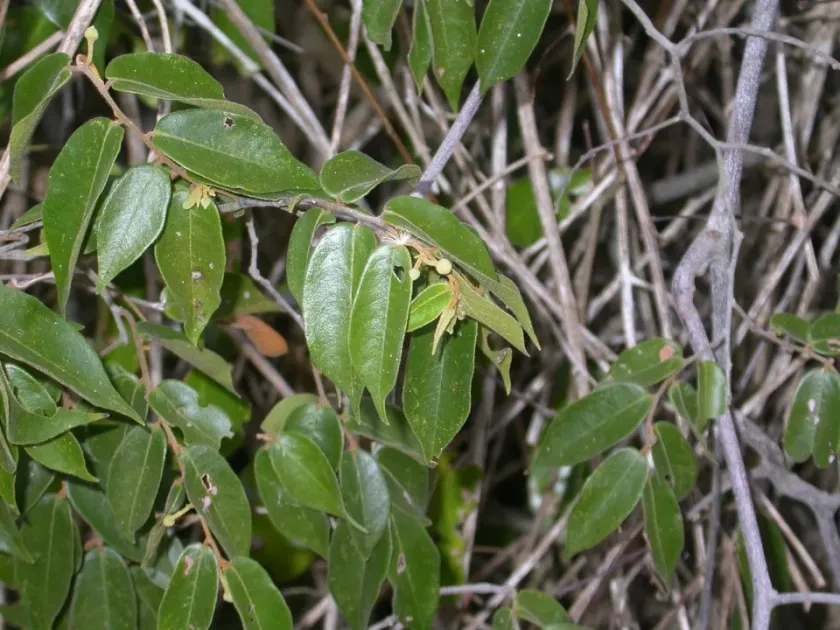
Description
Sowing dates
Propagation is primarily achieved through seeds, which should be sown immediately after harvesting as their viability decreases rapidly over time. Soaking the seeds in warm water for 24 hours can help soften the seed coat and improve germination rates.
Sow the seeds in a moist, sterile germination medium consisting of peat and sand. Maintain a temperature of approximately 25°C to 28°C, using a heat mat if necessary, and keep the container covered to maintain high humidity.
Seedlings typically emerge within 4 to 8 weeks. Once the first pair of true leaves appears, they can be carefully transplanted into small pots, ensuring that the taproot is handled with extreme care to avoid damage.
Young plants require a gradual acclimation period before being moved to their final outdoor location or permanent greenhouse spot to prevent transplant shock.
In professional nursery settings, cuttings from semi-hardwood can also be used for propagation. Applying a rooting hormone to the cut end and maintaining high humidity levels significantly increases the success rate of rooting.
Growing requirements
Uvaria acuminata is a perennial evergreen shrub or climbing vine belonging to the Annonaceae family. It is native to tropical regions of Africa, where it thrives in humid environments under the canopy of tropical forests.
The plant requires fertile, well-draining soil with a slightly acidic to neutral pH level. It is highly intolerant to waterlogging; therefore, adding coarse sand or perlite to the soil mix is recommended to enhance drainage and aeration for the root system.
Regarding climate, Uvaria acuminata demands consistent warmth, ideally between 22°C and 28°C. It is sensitive to frost and sudden temperature drops, which can lead to significant physiological stress and defoliation.
Light intensity is a critical factor for successful growth. While it tolerates partial shade, it requires bright, diffused light to stimulate optimal leaf development and fruit production. Direct, harsh sunlight should be avoided to prevent leaf scorch.
Water management is crucial throughout the growing season. The plant needs a consistent moisture supply but must be allowed to dry out slightly between waterings to prevent the development of root-related pathogens.
Main diseases and pests
The plant is frequently targeted by mealybugs and aphids, which cluster on the tender tips of new growth. These pests can weaken the plant and serve as vectors for secondary infections if not controlled early.
Scale insects are another common concern, often hiding on the underside of leaves or in the axils of branches. They can be removed manually or treated with horticultural oils during the early infestation stages.
Fungal diseases like leaf spot and mildew are prevalent in high-humidity areas. Improving airflow through regular pruning and removing infected leaf litter helps maintain plant health.
Root rot, often caused by Phytophthora species, remains the most significant risk to the plant. This is almost always triggered by overwatering or poor soil drainage, making it an entirely preventable issue.
- Regular monitoring for pest presence.
- Maintaining proper spacing between plants to encourage air circulation.
- Avoiding overhead watering to keep foliage dry.
Harvesting
Harvesting Uvaria acuminata fruits requires identifying the peak maturity stage. Fruits usually change color and become slightly soft to the touch when ready. It is a staggered process, as fruits on a single plant do not ripen simultaneously.
Manual harvesting is the standard method. One must handle the fruit with care, as they are prone to bruising, which can lead to rapid decay. Using sharp, clean shears to cut the fruit stem is preferred over pulling.
Post-harvest, fruits should be stored in a cool, well-ventilated area. In tropical climates, they are usually consumed fresh or processed into traditional medicine products shortly after being picked.
For commercial distribution, the fruits must be packaged in ventilated containers to prevent moisture accumulation, which quickly leads to fungal growth on the peel.
Processing methods include drying or pulp extraction, which allows for the utilization of the plant's bioactive compounds in various food and medicinal applications.