
Uvaria littoralis
Uvaria littoralis
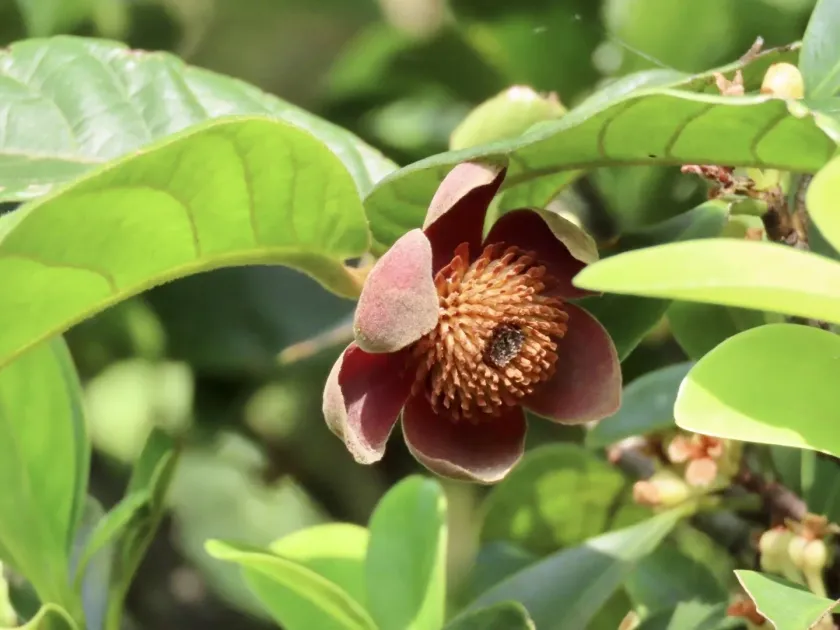
Description
Sowing dates
Uvaria littoralis is a member of the Annonaceae family, typically found in tropical coastal regions. Propagation is primarily achieved through seeds, which require specific handling to ensure successful germination in an agricultural setting.
The seeds possess a relatively short viability period and should be sown as soon as they are extracted from the fruit. The substrate used for sowing must be well-draining, rich in organic matter, and kept consistently moist.
Optimal germination occurs at temperatures between 25°C and 30°C. In nursery environments, maintaining high relative humidity is crucial to stimulate the development of the seedlings.
Vegetative propagation using semi-hardwood cuttings is an alternative method. This requires the application of rooting hormones and a controlled environment to ensure the cuttings establish a robust root system.
Seedlings are generally ready for transplantation into the field once they have developed a strong stem and at least 3-4 sets of true leaves, typically within 6 to 12 months.
Growing requirements
This species thrives in a tropical climate characterized by year-round high temperatures and significant rainfall. It is intolerant of frost and even moderate cold snaps, which can severely damage the plant.
Soil requirements include well-aerated, fertile soil with a pH range that is slightly acidic to neutral. Drainage is the most important factor, as the species is highly susceptible to root rot in waterlogged conditions.
While the plant benefits from bright, diffused light, young plants require shading to prevent leaf scorch. As the plants mature, they can tolerate more direct sunlight, provided soil moisture levels are maintained.
Consistent irrigation is essential during the dry season to sustain vegetative growth and subsequent fruit development. Drip irrigation systems are often preferred in plantations to optimize water efficiency.
Fertilization should focus on balanced NPK ratios, supplemented with micronutrients, to support the rapid growth rates typical of this Annonaceae species.
Yield
The yield of Uvaria littoralis depends heavily on plant health, light exposure, and the age of the orchard. Pruning is essential to maintain an open canopy, which promotes better air circulation and light penetration.
Plants generally begin to produce fruit within 3 to 5 years after field planting. Productivity increases gradually as the plant matures into a full-sized shrub or vine.
The fruit develops in clusters, and harvesting occurs over an extended period. This staggered maturity requires multiple visits to the orchard to collect fruit at the peak of ripeness.
Economic value is derived from the aromatic nature of the fruits, which are utilized in artisanal food processing, including the production of preserves, flavored extracts, and fresh market sales.
Modern agronomic practices, such as integrated pest management and precision fertilization, are key to ensuring stable annual yields and high-quality fruit production.
Main diseases and pests
Fungal pathogens, particularly those affecting the root zone like Phytophthora, pose the greatest threat to Uvaria littoralis orchards, especially in areas with heavy rainfall.
Pests such as scale insects, mealybugs, and certain species of fruit flies can cause significant damage to foliage and developing fruit, leading to reduced marketability.
- Implement regular pruning to improve airflow and reduce humidity around the canopy.
- Monitor the orchard frequently for signs of early infestation by common tropical pests.
- Utilize organic or biological control agents to manage populations of insects without harming beneficial pollinators.
Maintaining a clean orchard floor is essential to prevent the accumulation of debris that can harbor fungal spores and provide breeding grounds for pests.
Sterilization of pruning tools is a critical sanitary practice that prevents the transmission of systemic diseases between individual plants within the plantation.
Harvesting
Manual harvesting is the standard practice for Uvaria littoralis, as the fruit is delicate and bruises easily during handling. Each cluster must be handled with care to preserve its aesthetic and culinary quality.
Ripeness is indicated by a distinct shift in fruit color and the development of a strong, characteristic fragrance. Harvesters must be trained to identify these subtle visual and olfactory cues.
Post-harvest care is vital; fruits should be transferred to a cool, shaded environment immediately upon harvest. Proper ventilation during storage and transport is necessary to minimize moisture loss and spoilage.
Packaging should utilize protective materials to prevent friction or compression damage during transit from the field to the packing facility or local market.
Due to the high sugar content and perishability of the fruit, the entire supply chain, from the moment of harvest to distribution, must operate within a short timeframe, ideally under 48 hours.