
Uvaria hamiltonii
Uvaria hamiltonii
Description
Growing requirements
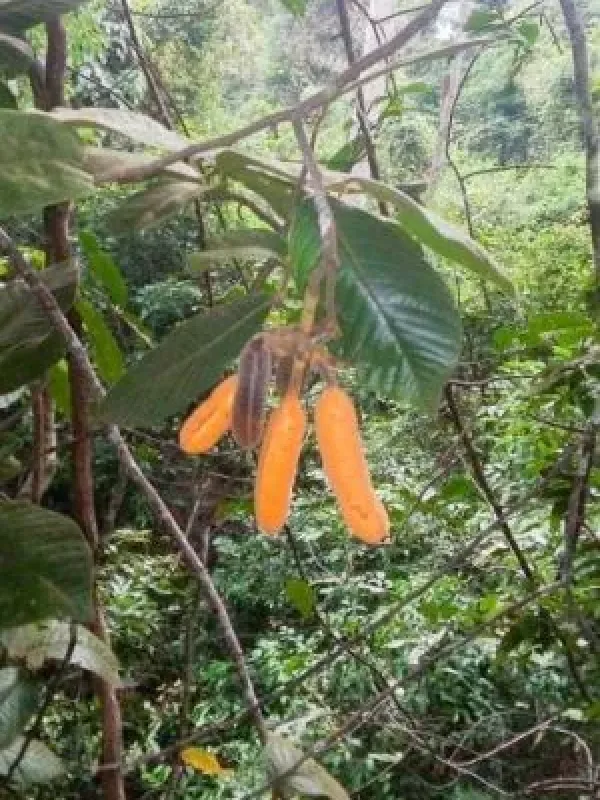
Uvaria hamiltonii is a species of woody climbing shrub belonging to the family Annonaceae. Native to the tropical regions of Southeast Asia, including India and Myanmar, this plant plays a significant role in local ecosystems and traditional agricultural practices within its natural range.
The plant thrives in humid tropical environments, necessitating consistent rainfall and well-drained, nutrient-rich soils. For optimal growth, it requires a semi-shaded environment, mimicking the conditions of forest gaps or the forest floor where sunlight is filtered through the canopy.
Botanically, it is characterized by its distinct, often fragrant flowers and multi-parted fruit aggregates. The leaves are typically alternate and leathery, providing a dense foliage cover which can be beneficial for soil moisture retention in agroforestry setups.
Cultivation requires specialized care, particularly regarding support structures. As a liana, Uvaria hamiltonii naturally seeks vertical growth, so providing sturdy trellises or companion trees is essential for maintaining plant health and facilitating easier harvest of the fruits.
Economically, the species is primarily valued for its medicinal properties and edible fruits. Various parts of the plant are utilized in ethnomedicine, and modern research is increasingly focused on the chemical composition of its secondary metabolites for potential industrial and pharmaceutical applications.