
Uvaria griffithii
Uvaria griffithii
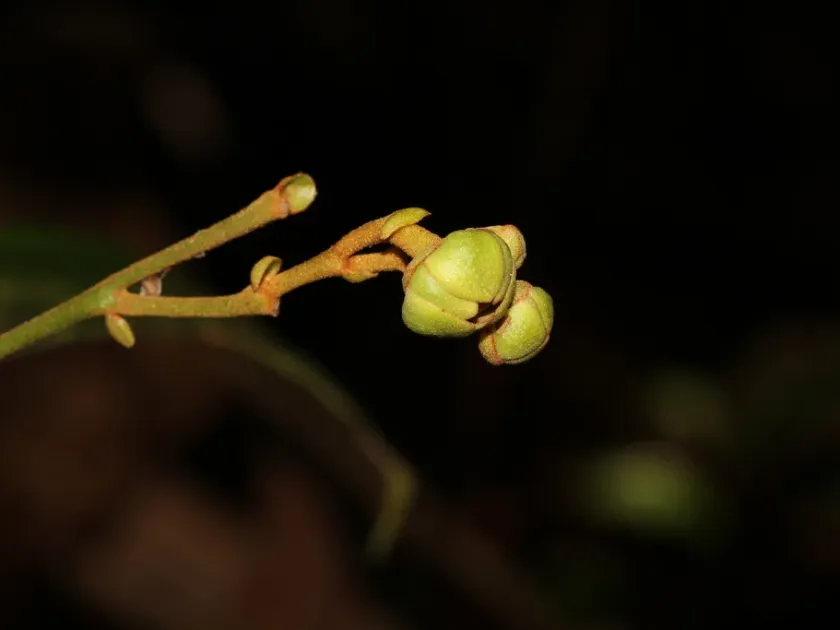
Description
Growing requirements
Uvaria griffithii is a species of woody climber or shrub belonging to the Annonaceae family. It is native to the tropical regions of Southeast Asia, where it typically inhabits dense, humid rainforest environments.
The plant requires a strictly tropical climate with consistent temperatures between 20 and 30 degrees Celsius. It is highly susceptible to chilling injury and frost, making it suitable primarily for warm climates or climate-controlled glasshouses.
Soil requirements involve a rich, organic-based substrate that remains well-drained. The pH level should be slightly acidic to neutral to ensure optimal nutrient uptake for this exotic species.
Lighting conditions are crucial for this plant. While it appreciates high light intensity, it thrives best under dappled or filtered sunlight, mimicking the conditions of the forest understory.
Agronomic maintenance includes providing sturdy vertical supports as the plant exhibits climbing tendencies. Proper irrigation is necessary to maintain soil moisture, provided the water does not stagnate around the root zone.
Main diseases and pests
Common threats to Uvaria griffithii in cultivation include fungal pathogens like root rot, which are often precipitated by waterlogged soil conditions or poor drainage.
Pests such as spider mites, aphids, and scale insects are known to infest the plant, especially when ambient humidity levels drop too low in indoor settings.
Management of these threats involves careful monitoring of humidity levels and the application of integrated pest management practices to maintain plant health.
Preventative pruning to ensure good airflow within the canopy is essential to minimize the risk of mold and bacterial infections on the foliage.
Using horticultural oils or biological control agents is recommended to mitigate pest damage while preserving the integrity of the plant's natural properties.