
Triglochin scilloides
Triglochin scilloides
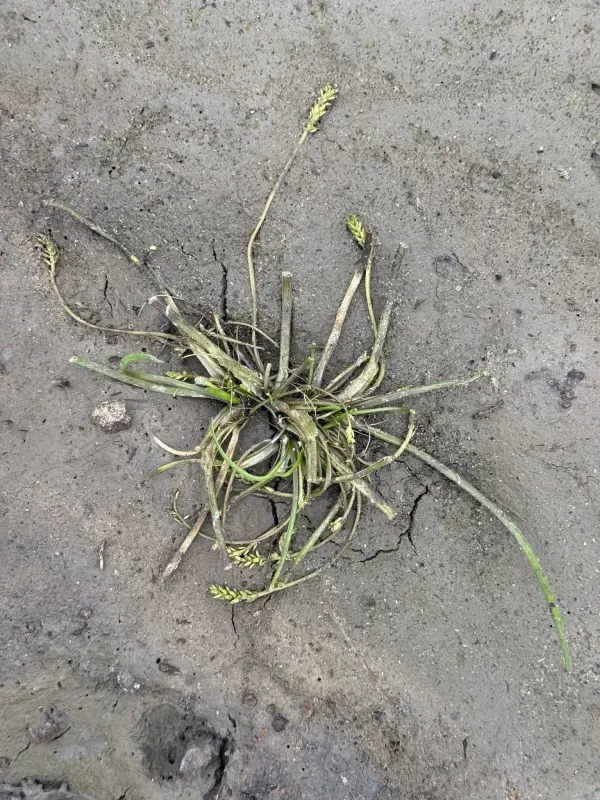
Description
Growing requirements
Triglochin scilloides is a perennial herbaceous plant belonging to the Juncaginaceae family. As a highly specialized hydrophyte, it thrives in environments that are typically unsuitable for traditional agricultural crops, demonstrating remarkable physiological adaptations to water-saturated soils.
The native range of this species covers regions with specific moisture regimes, often found in marshy banks, riparian zones, and saline wetlands. Its ability to tolerate periodic flooding and high moisture levels makes it a subject of interest in ecological studies and land management research.
Regarding its environmental requirements, the plant demands consistently wet substrate conditions and specific pH levels typical of its natural wetland habitats. Temperature stability is crucial during the growing season, as extreme fluctuations can impact its flowering cycle and general vigor.
From a botanical perspective, the plant is characterized by basal rosettes of linear, succulent leaves and spike-like inflorescences. This morphological structure is an evolutionary advantage in high-humidity ecosystems, allowing the plant to manage water and nutrient uptake efficiently in aquatic environments.
The agricultural or industrial utility of Triglochin scilloides is niche, focusing primarily on ecological restoration. It serves as a biological indicator for wetland health and is studied for its potential role in phytoremediation projects aimed at recovering degraded marshlands and saline soils.