
Bulbous arrowgrass
Triglochin bulbosa
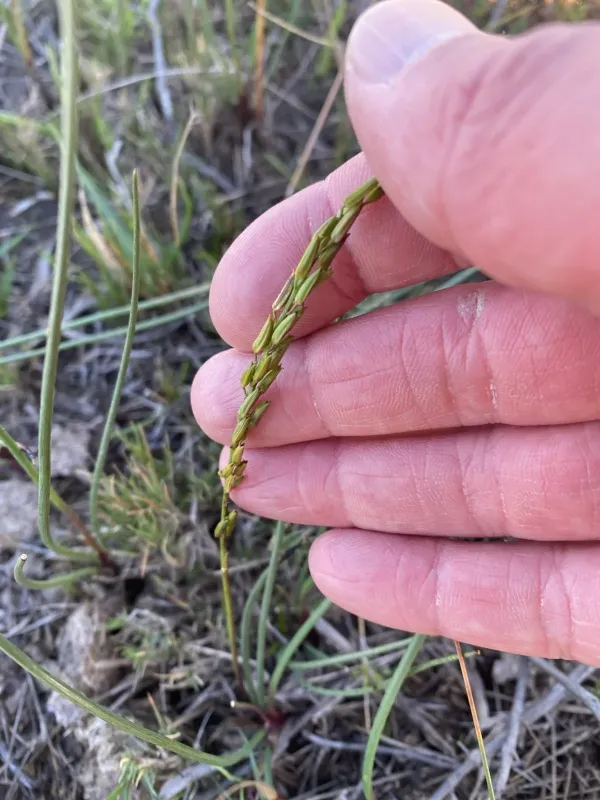
Description
Growing requirements
Bulbous arrowgrass (Triglochin bulbosa) is a perennial herbaceous plant belonging to the Juncaginaceae family. It is recognized for its unique ability to thrive in saline and waterlogged environments where most agricultural crops would fail.
The plant originates from regions with specific edaphic conditions, primarily saline soils and marshes. It is considered a halophyte, meaning its metabolism is adapted to high salt concentrations that are typically toxic to other plant species.
In terms of climate and soil requirements, this species demands high soil moisture and plenty of sunlight. It performs best in heavy, alkaline soils where drainage is slow, preventing the leaching of essential mineral salts required for its growth.
The botanical structure of the plant features bulbous root thickenings, which serve as storage organs for nutrients. These structures allow the plant to survive dormancy periods and rapidly regenerate once moisture conditions become favorable again.
From an agricultural standpoint, it serves as a valuable resource for livestock grazing in salt-affected coastal or inland plains, providing essential mineral nutrition to animals in regions with limited forage options.
Main diseases and pests
Due to the high salt content in its tissues, Bulbous arrowgrass is naturally protected against many common agricultural pests that target typical forage grasses and legumes.
However, when cultivated in intensive systems, the plants may become susceptible to fungal infections such as root rot if soil moisture is not managed correctly during high-temperature cycles.
Herbivorous insects can pose a threat, particularly during the flowering season. These pests can significantly reduce seed viability, which is critical for the natural regeneration of the stand in subsequent years.
Competition from non-halophytic weeds can also be a significant threat if the soil salinity levels drop due to irrigation with low-mineral water or excessive rainfall, allowing invasive species to take over.
Effective management against threats involves monitoring the soil salinity balance and ensuring that the plant stand is not overly stressed by excessive grazing, which could leave the root system vulnerable.