
Loose-flowered arrowgrass
Triglochin laxiflora
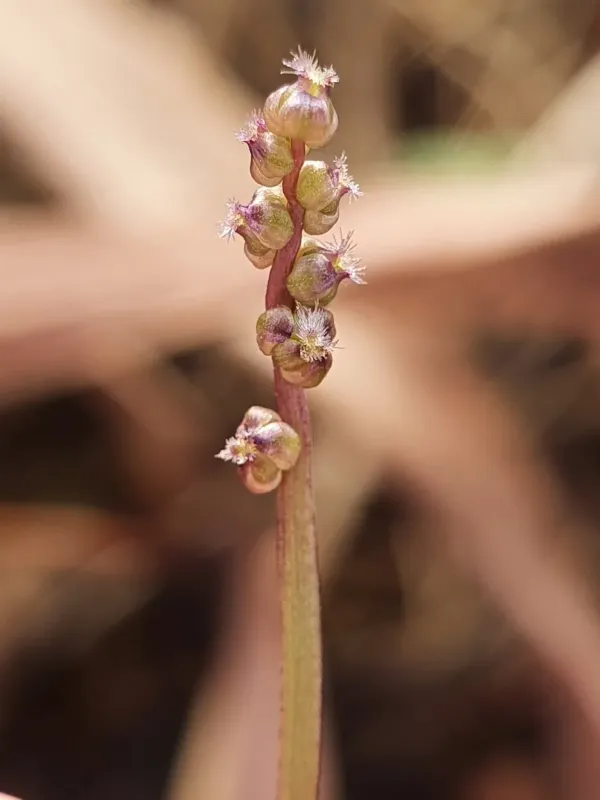
Description
Growing requirements
Loose-flowered arrowgrass (Triglochin laxiflora) belongs to the Juncaginaceae family. It is a perennial herbaceous plant that naturally thrives in damp, often saline habitats.
Botanically, the crop features narrow basal leaves and a long flowering stem. Its root system is specifically adapted to waterlogged conditions and high concentrations of minerals in the soil solution.
The plant exhibits high ecological plasticity regarding saline soils, making it a potentially valuable candidate for land reclamation and the cultivation of marginal lands.
Optimal development requires sites with consistent water availability. In temperate climates, it shows remarkable resilience to sudden temperature fluctuations during the spring season.
Soil requirements involve a sufficient humus layer, although the plant is capable of enduring prolonged flooding, a characteristic rarely seen in typical forage species.
Yield
The agricultural use of this crop is constrained by its specific chemical profile. In the wild, arrowgrasses often serve as components of pasture lands suitable for livestock grazing at specific vegetative stages.
Green biomass yield depends directly on moisture levels and soil salt content. While excess nitrogen may increase biomass production, it must be monitored due to the potential accumulation of specific compounds.
The value of the plant lies in its ability to grow in environments where traditional forage crops cannot survive, helping to stabilize vegetation in coastal or wetland areas.
When used for fodder, managers must pay close attention to growth stages, as nutritional value peaks during flowering, while monitoring for potential cyanogenic glycosides.
Under controlled cultivation, productivity potential could be improved by establishing optimal hydrological regimes on degraded saline or marshy fields.
Main diseases and pests
The primary threats to the species involve changes to hydrological regimes, specifically excessive drainage leading to soil desiccation and the loss of natural habitat.
Pathological data for this species is limited, but monoculture cultivation may lead to occurrences of leaf spots caused by fungal pathogens under stagnant water conditions.
Pests typical of coastal grasses and sedges may damage reproductive organs, reducing seed production potential towards the end of the season.
Competition with aggressive weeds during early development is a critical factor, as the plant is known for slow establishment during its first year of growth.
Anthropogenic factors, such as intensive chemical fertilizer application, may suppress beneficial rhizosphere microflora, negatively affecting the plant's natural stress tolerance.