
Tricyrtis ohsumiensis
Tricyrtis ohsumiensis Masam.
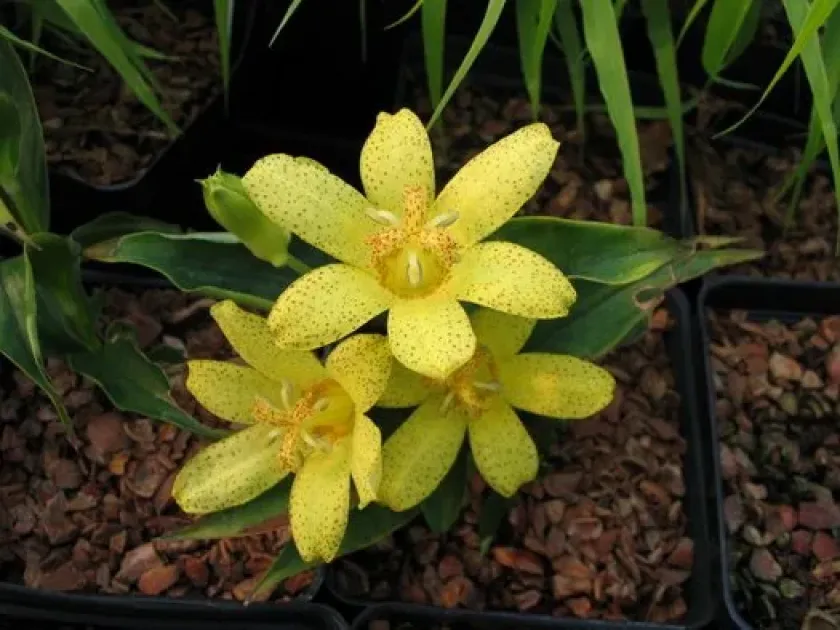
Description
Sowing dates
Propagation of Tricyrtis ohsumiensis is typically performed by division of rhizomes or stem cuttings during the spring growth phase.
Seed sowing can be done in autumn in outdoor conditions to allow for natural stratification, which is essential for uniform germination.
For indoor propagation, seeds require a period of cold stratification at temperatures between 0 and 5 degrees Celsius for about eight weeks.
The optimal planting time for young plants is early spring, ensuring that the ground is workable and there is no risk of deep frost.
Proper spacing is crucial; plants should be set at least 30 to 40 centimeters apart to prevent overcrowding and ensure adequate airflow.
Growing requirements
Tricyrtis ohsumiensis belongs to the Liliaceae family and is native to the temperate woodland environments of the Ohsumi Peninsula in Japan.
This species performs best in partial to full shade, imitating its natural habitat under the forest canopy where filtered light prevails.
Soil requirements include high organic content, slight acidity, and excellent moisture retention coupled with effective drainage.
Consistent watering is vital, especially during the flowering stage, to maintain turgidity and prevent the leaf edges from browning due to dryness.
While the plant is hardy in temperate zones, winter mulching is recommended to protect the fleshy rhizomes from extreme temperature fluctuations.
Main diseases and pests
The primary pests affecting this crop are gastropods, such as slugs and snails, which can consume significant portions of the foliage overnight.
Fungal diseases like leaf spot and botrytis blight often occur when plants are grown in overcrowded conditions with poor ventilation.
Integrated pest management strategies should focus on maintaining a clean garden environment and using physical barriers against nocturnal mollusks.
It is important to avoid overhead irrigation, which increases the humidity on leaf surfaces and promotes the spread of pathogenic spores.
Early identification of signs such as yellowing leaves or spotted tissues is essential to apply corrective treatments before the health of the plant declines.