
Dwarf Toad Lily
Tricyrtis nana Yatabe
Description
Growing requirements
The Dwarf Toad Lily (Tricyrtis nana) is a charming herbaceous perennial plant belonging to the Liliaceae family. It originates from the temperate forests and humid slopes of Eastern Asia, particularly Japan, making it a perfect candidate for shaded garden areas.
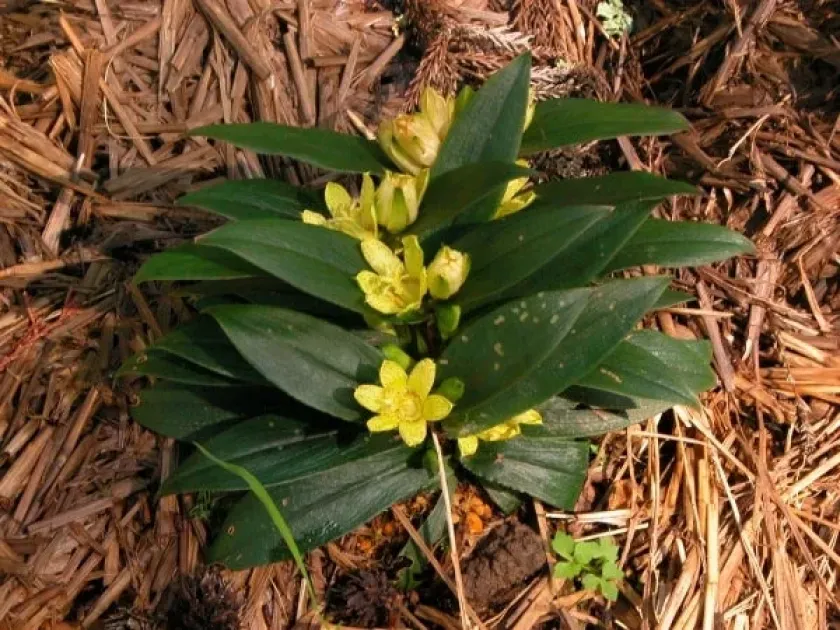
This species is distinguished by its small stature, typically reaching heights of only 20 to 30 centimeters. It features slender, pubescent stems and attractive, alternate leaves that provide a lush texture to the garden floor even when the plant is not in bloom.
Successful cultivation requires soil that is rich in organic matter, loose, and slightly acidic. Good drainage is essential, as the plant cannot tolerate waterlogged conditions, which often lead to root rot during the dormant winter months.
The plant thrives in partial to full shade, necessitating protection from intense, direct sunlight. In cooler climates, it is advisable to provide a layer of mulch around the base of the plant to regulate soil temperature and retain moisture throughout the growing season.
Economically and horticulturally, the Dwarf Toad Lily is used for aesthetic purposes. It is frequently incorporated into rock gardens, shade borders, and naturalized woodland displays where its unique, orchid-like flowers can be observed at close range.
Main diseases and pests
Slugs and snails are the most common pests that pose a threat to the foliage and buds of Tricyrtis nana. Gardeners should monitor for these pests, especially after rain, and use manual removal or organic repellents to prevent damage.
Poor ventilation and excess humidity can occasionally trigger fungal issues such as Botrytis or leaf spot diseases. To prevent these infections, it is recommended to water the plants at the base and avoid crowding, which ensures proper air circulation.