
Tricyrtis latifolia
Tricyrtis latifolia
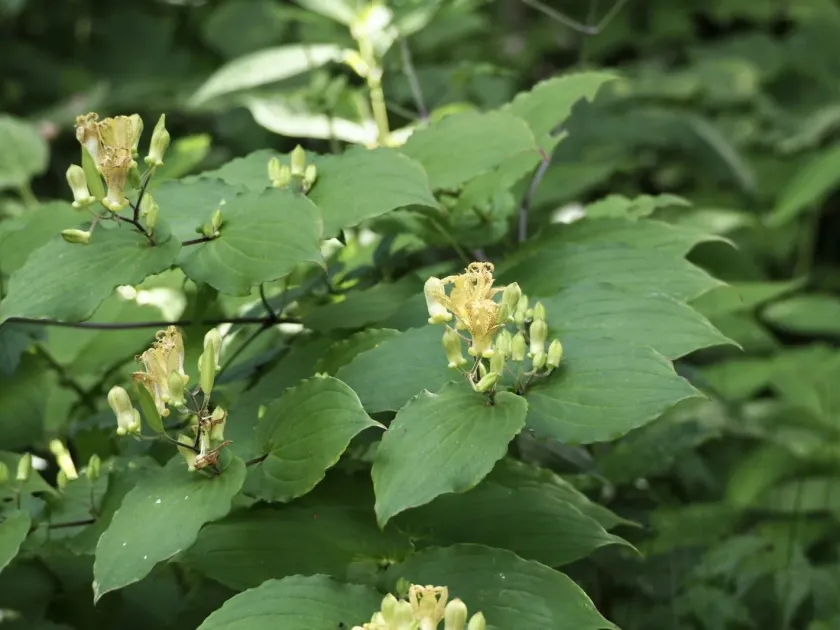
Description
Sowing dates
Sowing of Tricyrtis latifolia seeds is typically carried out in late autumn or early spring. The seeds require a cold stratification period of four to six weeks to break dormancy and ensure uniform germination.
When sown in trays, the seeds should be covered only lightly with a fine, moist substrate, as they require light to germinate efficiently. Maintain a constant temperature of approximately 16–18 degrees Celsius.
Once seedlings have developed at least two pairs of true leaves, they should be pricked out and transferred to individual pots. This practice promotes strong root development and simplifies the transition to the garden.
Planting out into the final garden location should occur after the last spring frost. Choose a sheltered spot that mimics the natural woodland habitat of this perennial species.
Proper spacing is crucial to prevent competition between plants, allowing for adequate air circulation and growth. Typically, plants are spaced at 30–40 cm intervals depending on the soil fertility.
Growing requirements
Tricyrtis latifolia thrives best in partial shade to full shade conditions. It performs exceptionally well in woodland gardens where it can benefit from dappled sunlight filtered through tree canopies.
The plant demands a consistently moist, nutrient-rich soil that is high in organic matter. A well-drained, slightly acidic soil profile is ideal for the successful cultivation of this toad lily.
Applying organic mulch around the base of the plant is vital. This technique preserves soil moisture during summer, suppresses weed growth, and protects roots from extreme temperature fluctuations.
While relatively hardy, the plant benefits from a protective layer of leaves or straw during its first winter in colder climates. It is sensitive to harsh winds and performs better in protected areas.
Regular irrigation is essential, especially during dry spells in the growing season. However, standing water must be avoided to prevent root rot, ensuring that the soil remains moist but not waterlogged.
Main diseases and pests
Slugs and snails are the most common pests, particularly targeting the young, succulent foliage during damp and humid weather. Regular monitoring and the use of barriers are effective management strategies.
Fungal issues such as grey mould can arise if air circulation is insufficient or if the foliage remains wet for extended periods. Pruning and spacing plants correctly significantly reduce these risks.
Soil-borne nematodes can occasionally infest the root system, leading to stunted growth. Using certified, healthy planting material and maintaining good garden hygiene helps in preventing such infestations.
Leaf spots caused by pathogens may occur, often exacerbated by high nitrogen levels which lead to overly soft, vulnerable tissue. Balanced fertilization is recommended for stronger plant immunity.
Sanitation is key; all dead plant debris should be removed and disposed of at the end of the season to prevent pathogens from overwintering. This simple practice keeps the planting area healthy.