
Tricyrtis lasiocarpa
Tricyrtis lasiocarpa
Description
Sowing dates
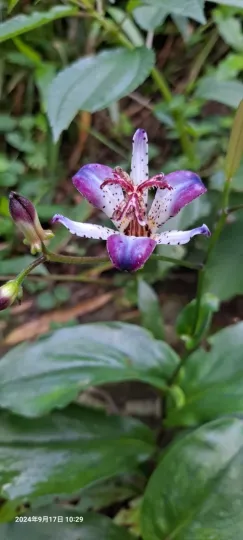
Tricyrtis lasiocarpa, a member of the Liliaceae family, is a distinct perennial plant known for its unique orchid-like appearance and shade-loving nature.
Propagation is generally achieved through seeds sown in autumn to allow for cold stratification, or through division of the rhizomes in early spring.
When starting from seeds, ensure they are sown in a cool frame or directly into the soil before the onset of the first hard winter frosts.
Division should be handled carefully by lifting the entire root mass and separating it into smaller sections, each containing viable growth buds.
Spacing the plants 12 to 16 inches apart ensures sufficient air circulation, which is vital for preventing fungal diseases in dense perennial plantings.
Growing requirements
This species naturally inhabits subtropical forest floors, necessitating a planting location that provides dappled shade and consistent protection from hot afternoon sun.
The soil must be rich in organic matter, slightly acidic, and well-draining to mimic the plant's native habitat and prevent root saturation.
Consistent moisture is the key to successful cultivation, as the plant suffers quickly from drought conditions and needs regular irrigation during the summer.
Mulching with compost or leaf mold helps retain soil humidity, regulates temperature, and improves the overall nutrient composition of the root zone.
Winter protection is necessary in colder climates; a thick layer of organic mulch or pine needles provides essential insulation for the dormant rhizomes.
Main diseases and pests
Slugs and snails are the most significant pests for this crop, as they are attracted to the plant's lush foliage and can cause significant aesthetic damage.
Root rot is a common threat, particularly in heavy or waterlogged soils, which may lead to the rapid decline and death of the plant specimens.
Effective management strategies include the use of copper barriers to deter mollusks and improving site drainage to eliminate standing water.
Regular monitoring for leaf spots and yellowing stems is crucial to identify potential pathogen outbreaks before they spread throughout the cluster.
Applying appropriate fungicides and removing diseased tissue immediately helps in maintaining the health and vigor of the entire population.