
Tricyrtis affinis
Tricyrtis affinis
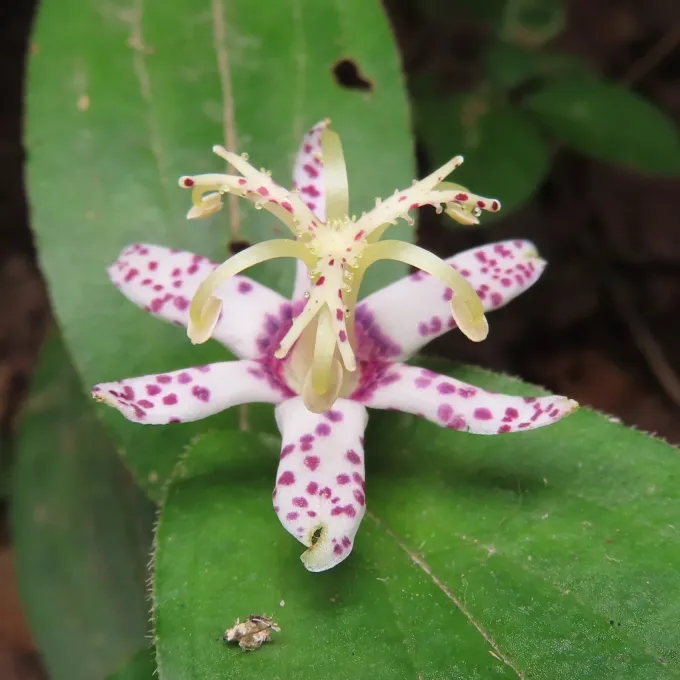
Description
Sowing dates
Propagation of Tricyrtis affinis is primarily achieved through rhizome division in early spring, just as the plant begins to show signs of new vegetative growth. This method ensures the offspring are genetically identical to the parent plant and establishes them quickly.
Seed propagation is also possible but requires stratification. Seeds should be sown in trays during late winter, kept in a cold environment for several weeks, and then moved to a warmer location to stimulate germination once the stratification period is complete.
When dividing rhizomes, it is essential to use a sharp, sterile tool to minimize tissue damage. Each segment must have healthy buds to ensure vigorous regrowth after being replanted into the permanent garden site.
The planting area should be enriched with well-rotted organic matter, such as leaf mold or compost. This practice provides the necessary nutrients and improves the water-retention capacity of the soil, which is crucial for the establishment phase.
Spacings should be generous, typically allowing 30 to 45 centimeters between plants. Proper spacing prevents overcrowding, which is a major factor in reducing the risk of disease and ensures each plant receives adequate soil nutrients.
Growing requirements
Tricyrtis affinis belongs to the Liliaceae family and is native to the woodlands of East Asia, particularly Japan. This plant is a hardy perennial valued for its unique orchid-like flowers and ornamental foliage that adds texture to shady landscapes.
The species requires moist, well-draining, and humus-rich soil. It thrives in conditions that mimic its native habitat, specifically environments with a slightly acidic soil pH and a consistent supply of organic carbon from decomposing forest matter.
Exposure to light must be carefully managed. As a shade-loving species, it performs best in partial to full shade. Direct, harsh sunlight can scorch the leaves and significantly reduce the quality and duration of the flowering period.
The ideal climate is cool and temperate. While the plant is relatively cold-tolerant, it dislikes extreme heat and dry air. Maintaining high atmospheric humidity through companion planting or proximity to water features is highly beneficial for its overall health.
Water management is the cornerstone of Tricyrtis maintenance. The substrate should remain consistently moist but never waterlogged. During periods of drought, supplemental irrigation is mandatory to prevent premature wilting of the foliage.
Main diseases and pests
Slugs and snails are the most significant pests for Tricyrtis affinis. These mollusks are particularly fond of the young, tender foliage and can cause severe damage within a few days if not controlled during the early growing season.
Integrated pest management, including the use of physical barriers like crushed eggshells or specialized traps, is recommended to protect the plants. Regular garden sanitation helps to eliminate the hiding spots these pests prefer.
Fungal infections can occur if the humidity is too high and air circulation is poor. Leaf spot diseases are common when foliage remains wet for extended periods, making it important to water at the base of the plant rather than overhead.
Root rot is a major threat in soils with poor drainage. If the substrate remains saturated, the rhizomes will quickly succumb to pathogens, necessitating the inclusion of gravel or perlite in the planting hole to improve drainage.
Monitoring the plant for signs of stress, such as yellowing leaves or stunted growth, allows for early intervention. Proper fertilization with balanced nutrients helps the plant develop a strong immune system, making it more resilient to various threats.