
Tibouchina paratropica
Tibouchina paratropica Aubl
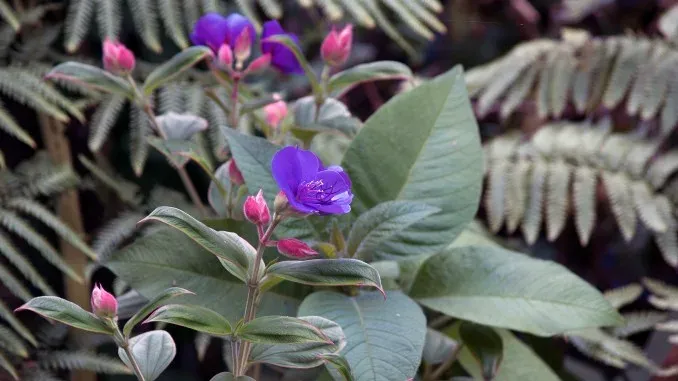
Description
Sowing dates
Propagation of Tibouchina paratropica is most effectively achieved through stem cuttings taken from healthy, mature plants. The ideal time for this procedure is late spring or early autumn, ensuring that the cuttings have enough energy to develop a robust root system before the dormant season.
Cuttings should be placed in a well-draining, sterile medium consisting of peat and perlite or coarse sand. Maintaining high humidity is critical during the initial rooting phase, which is best achieved using a propagation chamber or a misting system within a climate-controlled greenhouse.
Seeds of the Tibouchina species are extremely small and require light for germination. They should be sown on the surface of a fine, moist potting mix and lightly pressed to ensure contact without being buried, as depth can prevent the germination process.
Consistent temperature control is vital for successful germination, ideally staying between 22 and 25 degrees Celsius. Providing bottom heat can accelerate the process, leading to more uniform growth among the seedlings once they emerge after several weeks.
Once the seedlings develop their first true leaves, they should be carefully transplanted into small pots. It is essential to avoid disturbing the sensitive root system, as young Tibouchina plants are known for their fragile nature during early developmental stages.
Growing requirements
Tibouchina paratropica is a tropical shrub belonging to the Melastomataceae family, known for its specific ecological requirements. It thrives in bright, indirect light, as direct and intense sunlight can lead to leaf scorching and overall stress on the plant structure.
The ideal soil for this species is slightly acidic and rich in organic matter. A mixture designed for acid-loving plants, combined with good drainage materials like pumice or perlite, ensures that the roots receive adequate aeration while preventing the water stagnation that can be fatal.
Temperature management is a priority, as Tibouchina is not frost-tolerant and prefers consistent warmth between 18 and 26 degrees Celsius. In environments where temperatures drop below 10 degrees, the plant must be relocated to a heated greenhouse or indoor conservatory.
Watering practices should focus on using soft, lime-free water to prevent soil alkalinity, which can cause leaf chlorosis. During the growing season, the substrate should remain moist to the touch, but never waterlogged, necessitating careful monitoring of irrigation frequency.
Nutrient supplementation should be managed through regular, balanced liquid fertilizers formulated for tropical blooming plants. Monitoring the pH level of the soil is important, as slight acidity is required for the plant to efficiently uptake essential micronutrients like iron.
Main diseases and pests
In greenhouse settings, Tibouchina paratropica is susceptible to common sap-sucking pests, including spider mites and whiteflies. These pests thrive in dry conditions, so maintaining optimal air humidity is a key preventive strategy to discourage their infestation.
Scale insects and mealybugs can also pose a threat, often hiding in leaf axils and along stems. Regular inspection and the use of horticultural oils or systemic insecticides are recommended as soon as any signs of pest activity are detected on the foliage.
Root rot remains the most significant pathological threat, typically caused by fungal pathogens in overwatered, compacted soils. Early signs include leaf wilting and chlorosis, even when the plant appears to be well-watered, suggesting damage to the root system.
Chlorosis is a common physiological condition for this plant, often manifesting as yellowing leaves with green veins. This is usually corrected by adjusting the soil acidity or providing iron chelate supplements to rectify a nutrient imbalance within the plant tissue.
Prevention of diseases involves ensuring good air circulation and strictly avoiding the use of contaminated tools when pruning. Following a strict quarantine for new plants entering the collection helps prevent the accidental introduction of common pests and pathogens.