
Tibouchina lepidota
Tibouchina lepidota (Bonpl.) Baill.
Description
Growing requirements
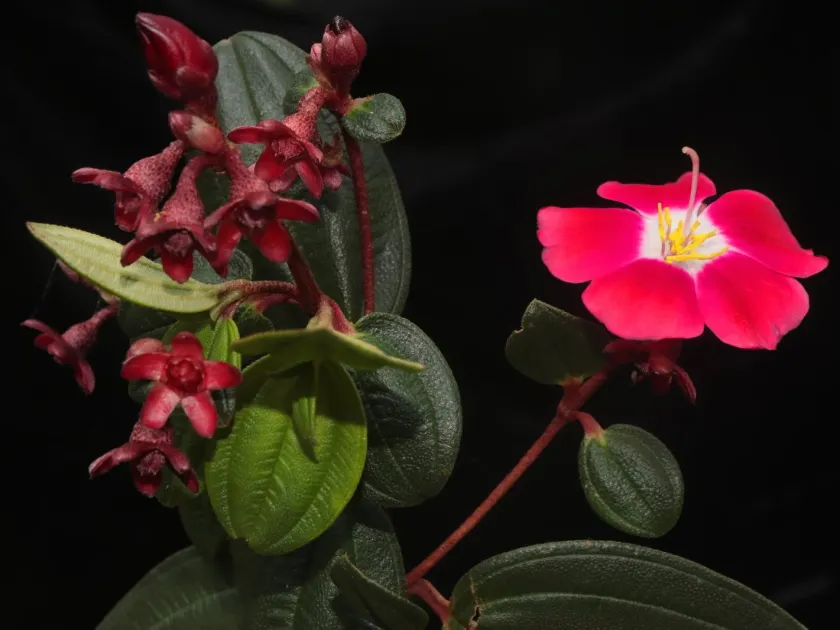
Tibouchina lepidota, commonly known as a type of glory tree, is a stunning ornamental plant within the Melastomataceae family. Native to the Andean regions of South America, it is prized for its intense purple-blue flowers.
The plant thrives in well-draining, slightly acidic soil rich in organic matter. It performs best in environments that provide consistent moisture while preventing waterlogging, which is critical for root health.
Temperature management is vital; this species prefers moderate tropical conditions between 18°C and 25°C. Exposure to frost or prolonged cold will cause significant damage, making it a container plant in temperate climates.
Light levels should be high but indirect. Intense, direct sunlight can scorch the foliage, particularly in younger specimens, so positioning near a bright window or in a dappled shade spot is ideal.
Pruning is an essential maintenance practice. By trimming back long stems after the flowering period, gardeners can encourage a bushier structure and promote more prolific blooms for the upcoming season.
Main diseases and pests
Spider mites are the most common pest, especially in indoor environments with low humidity. Regular misting and monitoring are necessary to prevent infestations from spreading across the foliage.
Root rot is a frequent cause of mortality in Tibouchina lepidota, typically triggered by overwatering or soil that lacks proper aeration. Ensuring the pot has drainage holes is non-negotiable.
Aphids and mealybugs can occasionally colonize the soft, new growth of the plant. These pests sap the energy from the tree and can lead to stunted growth or deformed leaves if left unmanaged.
Chlorosis, manifesting as yellowing leaves while veins remain green, often indicates a mineral deficiency. This is usually corrected by applying iron chelate or ensuring the irrigation water is sufficiently soft.
To ensure long-term health, adopt an integrated pest management approach, emphasizing sanitation and the use of insecticidal soaps at the very first sign of pest activity.