
Tibouchina mutabilis
Tibouchina mutabilis (Vell.) Cogn.
Description
Growing requirements
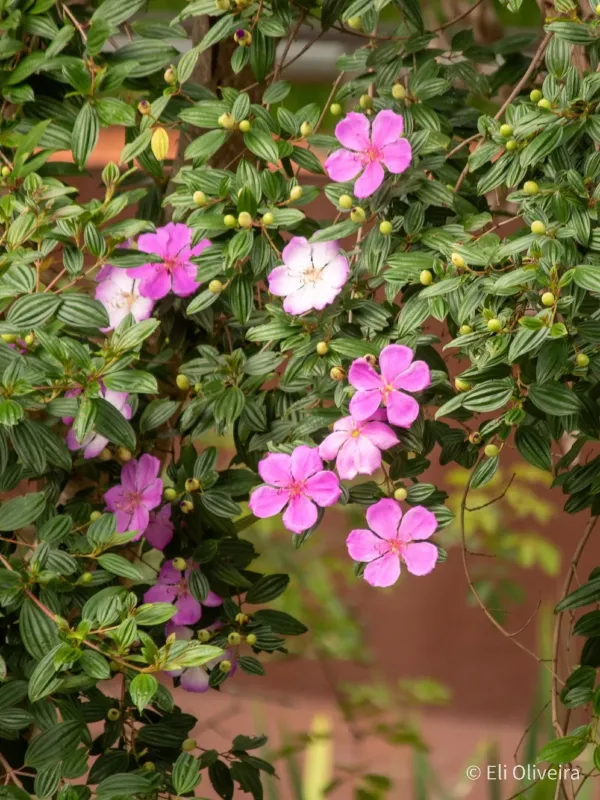
Tibouchina mutabilis, a member of the Melastomataceae family, is a captivating tropical tree native to the Atlantic Forest regions of Brazil. It is widely recognized for its spectacular ability to change the color of its blossoms, which transition through shades of white, pink, and deep violet as the flower matures.
This species thrives best in warm, humid tropical climates. It is highly sensitive to frost, necessitating cultivation in regions with stable, frost-free weather or within protected greenhouse environments where temperature and humidity can be strictly regulated for optimal development.
The ideal soil conditions for Tibouchina require a rich, well-draining substrate with an acidic to slightly acidic pH level. Alkaline soils should be strictly avoided as they inhibit nutrient uptake, specifically iron, often leading to severe chlorosis, which stunts the plant's growth.
Agrotechnical management involves consistent watering during the growing season, ensuring the root ball remains moist but never waterlogged. Fertilization should be frequent using acid-loving plant formulas, supplemented with chelated iron to maintain vibrant, healthy green foliage throughout the year.
The horticultural utility of this species is primarily ornamental, serving as a focal point in landscapes or as a stunning specimen in botanical gardens. Its dramatic color-changing habit makes it a highly sought-after plant for exotic floral displays and garden architecture in suitable climate zones.
Main diseases and pests
The primary pathological threats include root rot and fungal infections, typically triggered by poor drainage or excessive soil moisture. To mitigate these risks, growers should ensure a porous soil structure and proper air circulation around the canopy of the plant.
Common pests associated with this crop include aphids, spider mites, and mealybugs, which thrive in protected or indoor growing conditions. Integrated pest management, including regular monitoring and the use of appropriate horticultural soaps or systemic pesticides, is essential to preserve the plant's vigor.