
Thermopsis montana
Thermopsis montana
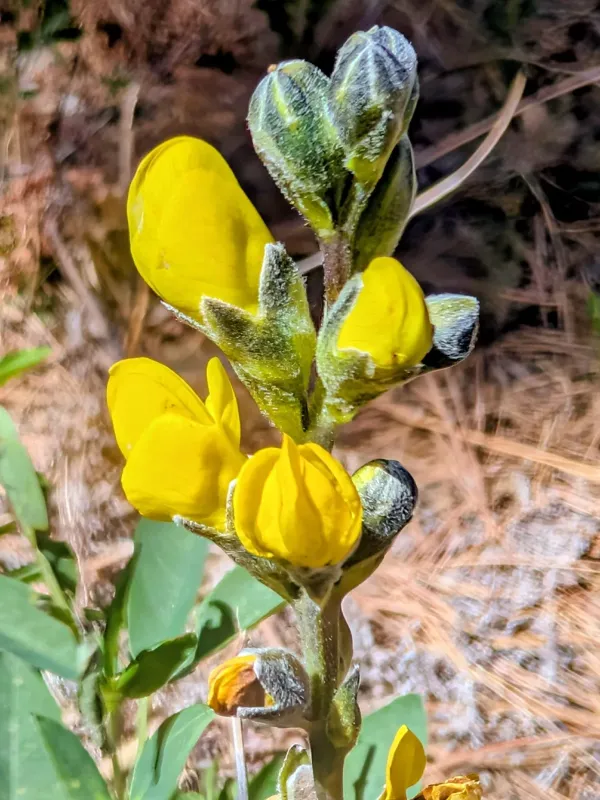
Description
Sowing dates
Seeds of Thermopsis montana possess a hard seed coat, which necessitates mechanical or chemical scarification to ensure uniform and rapid germination. Sowing is best performed in early spring as soon as soil temperatures reach 10-12 degrees Celsius, providing the essential warmth for seedling emergence.
In commercial cultivation, seeds are typically sown in rows with a spacing of approximately 60 centimeters. This row spacing is crucial as it allows for the use of mechanical cultivation equipment, which is necessary to keep the field free of invasive weeds during the early establishment phase.
The seedling growth of this species is relatively slow, so diligent weed management is required until the plants become well-established. Proper planting depth, ranging from 2 to 3 centimeters, ensures that the seed has enough soil cover to maintain moisture while still being shallow enough for consistent sprouting.
Fall sowing is an alternative that allows the seeds to undergo natural stratification through the winter months. This method often results in earlier and more vigorous growth once spring temperatures rise, though it requires fields to be well-drained to prevent seed rot during the winter season.
As a perennial crop, Thermopsis montana should be planned for long-term production. Establishing a good initial stand is vital, as the plant develops a deep root system that will persist for several years, making it difficult to replant without significant soil preparation.
Growing requirements
Belonging to the Fabaceae family, Thermopsis montana is a hardy perennial known for its deep root systems and drought tolerance. It is well-adapted to mountain and foothill regions, where it thrives in soil conditions that might be challenging for more delicate agricultural crops.
Full sun is essential for the optimal production of the secondary metabolites that give the plant its medicinal value. Shade should be avoided, as it often leads to spindly growth and a lower concentration of the active alkaloids required for pharmaceutical processing.
The plant prefers light, sandy-loam soils with excellent drainage. While it is not overly demanding regarding soil fertility, a pH that is neutral to slightly alkaline is ideal for its development. Stagnant water is detrimental, as it encourages root rot and diminishes plant vigor significantly.
Drought resistance is a key trait of this plant, enabling it to survive periods of limited rainfall. However, providing supplementary irrigation during the critical flowering phase can significantly improve biomass yields, which is advantageous for commercial production.
Maintaining proper aeration in the soil is important for the health of the rhizomes. Periodic cultivation of the soil surface between rows helps in maintaining soil structure and preventing the formation of crusts, which can impede gas exchange and water infiltration.
Main diseases and pests
Soil-borne pests, such as wireworms, can pose a significant threat to young plants by damaging the roots. Pre-planting soil management and the use of approved seed treatments are recommended strategies to minimize damage in the early life cycle of the crop.
Fungal diseases, including powdery mildew and various leaf rusts, can become problematic if humidity levels remain high or if planting density is too high. Improving airflow within the canopy through proper spacing is the most effective cultural method to prevent these issues.
Leaf-feeding insects, such as weevils, can cause noticeable damage to the foliage during the active growth period. Monitoring fields for signs of insect infestation is essential for timely intervention, keeping the plants healthy and ensuring the quality of the harvested aerial parts.
Root rot is often the result of poor field drainage or extended periods of waterlogging. Since the plant is a perennial, these localized infections can spread throughout a field if not addressed promptly, potentially leading to long-term yield losses across the entire plantation.
Effective weed control is not just about competing for nutrients but also about breaking the life cycles of various pests and pathogens. Keeping the crop environment clean and free of alternate host plants is a pillar of successful integrated pest management for Thermopsis montana.
Harvesting
The harvesting of Thermopsis montana is timed specifically to the flowering stage, which is when the plant contains the peak concentration of active alkaloids. Harvesting outside of this window can result in sub-optimal yields of the required chemical compounds.
Mechanical harvesting via mowing is the standard practice, with the plants cut roughly 5-10 centimeters above the ground. This ensures that the base of the plant remains intact, allowing it to regenerate effectively for the following growing season.
Post-harvest handling is critical, as the cut green biomass can easily overheat and degrade if left in piles for too long. Transporting the harvest immediately to drying facilities is necessary to maintain the integrity of the plant materials.
Drying should occur in controlled environments at temperatures not exceeding 50 degrees Celsius. Rapid but gentle drying is essential to lock in the chemical profile of the herb, preventing the breakdown of compounds that occurs during slow or high-heat processes.
Once dried and processed, the product should be stored in a cool, dry, and dark location to prevent the degradation of its medicinal components. Sustainable harvesting practices ensure that the perennial roots remain healthy enough to produce harvests for several consecutive years.