
Soft thermopsis
Thermopsis mollis
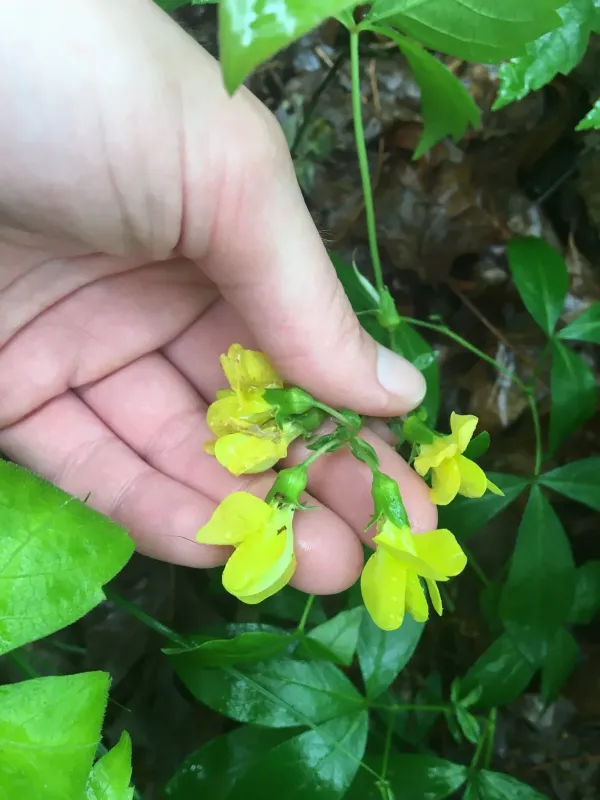
Description
Growing requirements
Soft thermopsis (Thermopsis mollis) is a perennial herbaceous plant belonging to the Fabaceae family. It is distinguished by its soft, pubescent foliage and robust root system, which allows it to thrive in various temperate environments.
The plant originates from regions where it can utilize full sunlight to maximize its physiological development. It is highly valued for its hardiness, showing significant resistance to cold winters and fluctuations in regional climate conditions.
Regarding soil requirements, the crop thrives in well-drained, sandy or loamy soils with a neutral pH level. Proper soil structure is essential, as the plant does not tolerate waterlogging, which can easily induce root decay.
Agrotechnical practices involve providing consistent moisture during the initial growth phase, followed by maintenance that ensures soil aeration. As a nitrogen-fixing species, it contributes to the overall health of the soil ecosystem where it is grown.
Beyond its medicinal utility, soft thermopsis is often utilized for its ability to stabilize soil and its aesthetic value in landscape design, showcasing the versatility of this leguminous crop.
Main diseases and pests
The primary threats to Thermopsis mollis are fungal pathogens, specifically those that flourish in high-humidity conditions. Poor drainage or excessive irrigation often leads to root rot, which is the most lethal condition for established crops.
Insect pests, including aphids and various weevils, represent a significant challenge. These pests typically target young stems and developing buds, leading to stunted growth and reduced seed production.
Powdery mildew is another recurring issue, especially when planting density is too high, preventing adequate airflow between plants. Early detection and thinning are effective management strategies for mitigating this spread.
Weed competition is particularly critical during the first year of the plant's life cycle. Due to its slow initial growth rate, it requires vigilant weeding to ensure that the crop is not choked by more aggressive, faster-growing species.
Crop rotation protocols should be strictly observed to prevent the build-up of soil-borne pathogens. A minimum gap of four years between planting cycles in the same location is highly recommended for sustainable cultivation.