
Thermopsis lanceolata
Thermopsis lanceolata
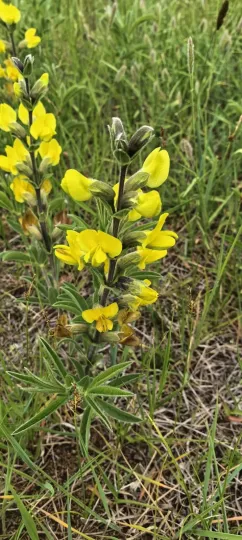
Description
Sowing dates
Thermopsis lanceolata, a member of the Fabaceae family, is a perennial herbaceous plant known for its medicinal properties. The seeds are characterized by a hard seed coat, which requires scarification or cold stratification to break dormancy before planting.
The optimal time for sowing is early spring when the soil retains moisture. Late autumn sowing is also a viable option in regions with cold winters, allowing the seeds to undergo natural stratification in the soil over the winter months.
Seeds should be planted at a depth of 2–3 centimeters. Proper soil contact is essential for uniform germination. The spacing between rows should be maintained at 45–60 centimeters to allow for efficient crop management and weed control.
During the first year, the crop focuses on establishing a robust root system. Growth above the ground is generally slow, appearing as a leafy basal rosette. Farmers should prioritize weed management during this period to ensure the young plants are not outcompeted.
Sufficient moisture during the emergence phase is critical. While the plant is drought-tolerant once established, young seedlings are vulnerable to extreme drying and should be protected until the root system has deepened.
Growing requirements
Thermopsis lanceolata thrives in steppe and forest-steppe environments, demonstrating exceptional resistance to both cold winters and hot, dry summers. It is native to regions with continental climate patterns.
The plant prefers light sandy or loamy soils with good drainage. It is highly sensitive to waterlogging, which can lead to root rot; therefore, selecting a site with proper topographical drainage is paramount for successful cultivation.
Full sun is essential for the healthy growth and development of Thermopsis lanceolata. Intense light exposure is positively correlated with the accumulation of alkaloids in the leaves, which is the primary objective of commercial cultivation.
Although the plant is capable of fixing nitrogen, providing a balanced supply of phosphorus and potassium can enhance root strength and overall plant vigor. Excessive nitrogen should be avoided as it can promote excessive foliage at the expense of alkaloid content.
The crop requires regular mechanical cultivation in the inter-rows to keep the soil aerated and free of weeds. This practice also helps in moisture conservation during dry spells, which is essential for maintaining crop health.
Main diseases and pests
Fungal pathogens represent the most significant threat to the crop, particularly in areas with high humidity or poor drainage. Root and crown rot are common if the soil remains excessively damp for extended periods.
Pests such as weevils and various aphid species can cause damage by feeding on the buds and foliage. Early detection through regular field scouting is necessary to mitigate the potential impact on final yields.
Integrated Pest Management (IPM) strategies are recommended. This includes removing crop debris after harvest and maintaining clean field borders to prevent the spread of diseases from nearby weed populations.
Since the plant is primarily used in the pharmaceutical industry, chemical pesticide use must be strictly managed or replaced with biological alternatives to ensure the final product meets stringent quality and purity standards.
Maintaining proper row spacing improves air circulation, which is a powerful preventative measure against the development of mold and other fungal diseases within the plant canopy.
Harvesting
Harvesting should occur during the early flowering stage. This timing is critical because the alkaloid concentration within the plant tissues peaks just as the blossoms begin to open, ensuring the highest quality of raw material.
The stems are mowed at a height of approximately 10–15 centimeters above the soil line. Care must be taken to prevent soil particles or unwanted weeds from entering the harvested mass to maintain product purity.
Post-harvest processing involves immediate drying to prevent enzymatic degradation of the active compounds. Industrial drying at temperatures up to 50 degrees Celsius is standard, providing a stable, high-quality botanical extract.
The productive life of a Thermopsis field is typically 5 to 7 years. Once the plant density decreases or yields begin to drop, the field should be rotated to a non-leguminous crop to restore soil health.
Once dried, the raw material should be stored in cool, dark, and well-ventilated areas to protect it from moisture and light, which can degrade the volatile and medicinal components of the plant over time.