
Thermopsis lupinoides
Thermopsis lupinoides
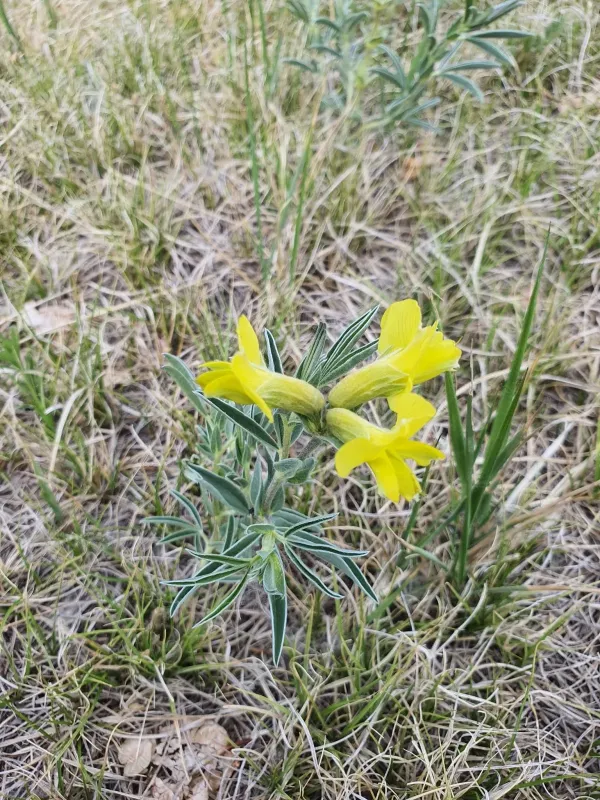
Description
Sowing dates
Thermopsis lupinoides is a perennial herbaceous plant belonging to the Fabaceae family. It is known for its robust root system, which helps it thrive in diverse soil conditions and survive harsh winter temperatures.
Sowing should be performed in early spring or late autumn. The seeds are characterized by a hard seed coat, which necessitates scarification to improve germination rates significantly before planting them in the field.
The seeds are typically sown at a depth of 2–3 centimeters. Maintaining proper row spacing, usually around 45–60 centimeters, is crucial for plant development and ensures sufficient aeration within the field.
This crop can remain productive on the same site for up to a decade. The plants are capable of rapid regrowth after the winter dormancy period, making them an efficient choice for long-term cultivation.
Initial weed control is essential for the crop's establishment. Since the seedlings grow slowly in the first few months, farmers must monitor the field to prevent competitive weeds from suppressing the growth.
Growing requirements
Thermopsis lupinoides is well-adapted to cooler climates and possesses high frost resistance. It prefers open areas with maximum sunlight exposure to optimize its metabolic processes and biomass production.
The crop thrives in well-drained, fertile soil, ideally ranging from sandy loams to light clay soils. Proper drainage is imperative, as waterlogged conditions can lead to root damage and poor yields.
As a legume, it forms a symbiotic relationship with nitrogen-fixing bacteria. This biological feature helps the plant thrive in nitrogen-deficient soils, although balanced fertilization remains beneficial for yield.
The soil should ideally have a neutral or slightly acidic pH for optimal nutrient absorption. In soils with high acidity, liming is recommended to stabilize the environment for better plant health.
While the plant is moderately drought-tolerant, supplemental irrigation during the rapid stem-elongation phase can significantly increase the total yield of aerial parts used for industrial purposes.
Main diseases and pests
The crop can be affected by various pests, including weevils and aphids, which target the leaves and reproductive buds. Integrated pest management techniques are recommended to maintain field health.
Root rot is a common disease observed in areas with poor drainage or excessive soil moisture. Proper field preparation and crop rotation are the most effective preventive measures against these fungal issues.
Powdery mildew may occur during periods of high humidity and moderate temperatures. Increasing air circulation within the plant canopy and using appropriate fungicides help mitigate the risk of infection.
Rust diseases can impact the quality of the harvested biomass. Monitoring for early signs of lesions on the leaves allows for timely intervention, protecting the quality of the raw medicinal material.
Maintaining a balanced ecosystem within the farm, including beneficial insects, can help reduce the pressure from various pest populations throughout the active growing season.
Harvesting
The primary economic use of Thermopsis lupinoides is the collection of its aerial parts for use in the pharmaceutical industry. The plant is a rich source of alkaloids used in medicinal preparations.
Harvesting is typically conducted during the mass flowering stage, which ensures the highest concentration of active biochemical components. This timing is essential for meeting industry quality standards.
Mowing should be carried out at a height of approximately 10–15 centimeters from the ground. This practice allows the plant to recover and ensures that the root system remains vigorous for the next year.
Immediate post-harvest processing is critical. The raw material must be dried in well-ventilated areas or specialized dryers at temperatures below 50 degrees Celsius to preserve the chemical integrity.
Once dried, the product is cleaned of impurities and packaged according to safety standards. The final material must be stored in a cool, dry place to prevent mold growth and loss of medicinal properties.