
Tarenna supra-axillaris
Tarenna supra-axillaris
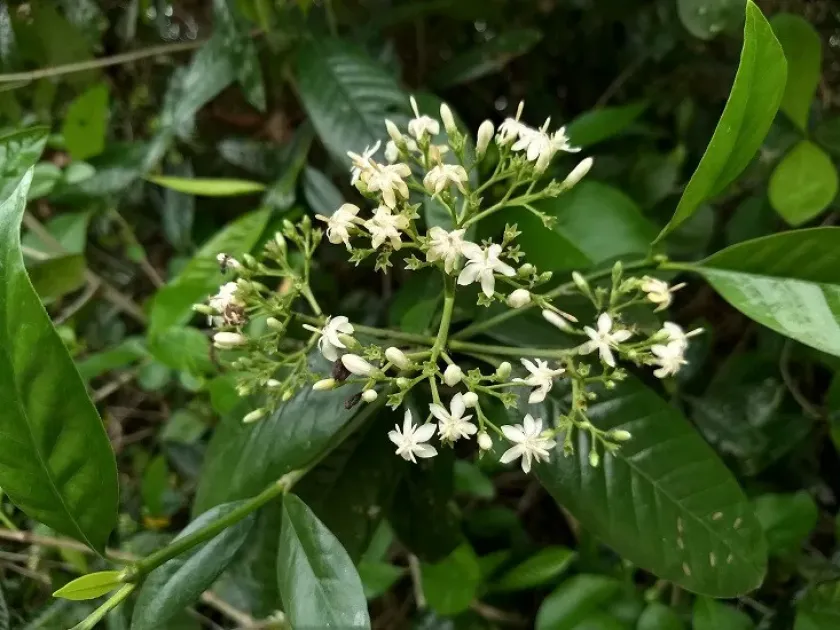
Description
Growing requirements
Tarenna supra-axillaris is an evergreen shrub or small tree belonging to the Rubiaceae family. This species originates from the tropical regions of Africa, where it thrives in high-humidity habitats with consistent thermal conditions throughout the year.
The cultivation of this plant requires a well-draining, nutrient-rich soil mix with a slightly acidic profile. Achieving a balance between aeration and moisture retention is crucial for the development of a healthy root system, especially in potted environments.
Ideal climate conditions involve stable temperatures between 20°C and 28°C. Being a tropical plant, it is not frost-tolerant, necessitating indoor cultivation or greenhouse management in temperate climate zones to ensure continuous growth.
Lighting requirements favor bright, indirect sunlight. Direct exposure to intense rays can damage the foliage, causing browning and loss of vigor. Placing the plant near an east or north-facing window is often the most effective placement strategy.
Regular maintenance includes consistent watering during the growing season, ensuring the soil remains moist but never waterlogged. Maintaining atmospheric humidity through misting or the use of humidifiers is essential to replicate its natural forest floor environment.
Main diseases and pests
Spider mites are a common pest for Tarenna supra-axillaris, particularly in dry indoor environments. Early identification is key, with signs such as fine webbing and stippling on the leaves requiring immediate intervention with insecticidal soaps.
Root rot, driven by excessive moisture and poor drainage, represents the most significant threat to the survival of the plant. Regular monitoring of the pot's drainage holes is necessary to prevent water accumulation that encourages fungal growth.
Mealybugs may infest the stem nodes, requiring manual removal or systemic insecticides. Routine inspection of the plant's structure helps to catch these infestations before they spread across the entire canopy of the shrub.
Leaf spot diseases, often caused by fungal pathogens, can develop when air circulation is inadequate. Ensuring proper spacing between plants and maintaining a clean environment are essential cultural practices for preventing these ailments.
Standardized chemical treatments should be applied strictly according to the manufacturer's recommendations. Integrated pest management, combining mechanical removal and biological agents, often yields the best results for greenhouse collections.