
Tarenna asiatica
Tarenna asiatica
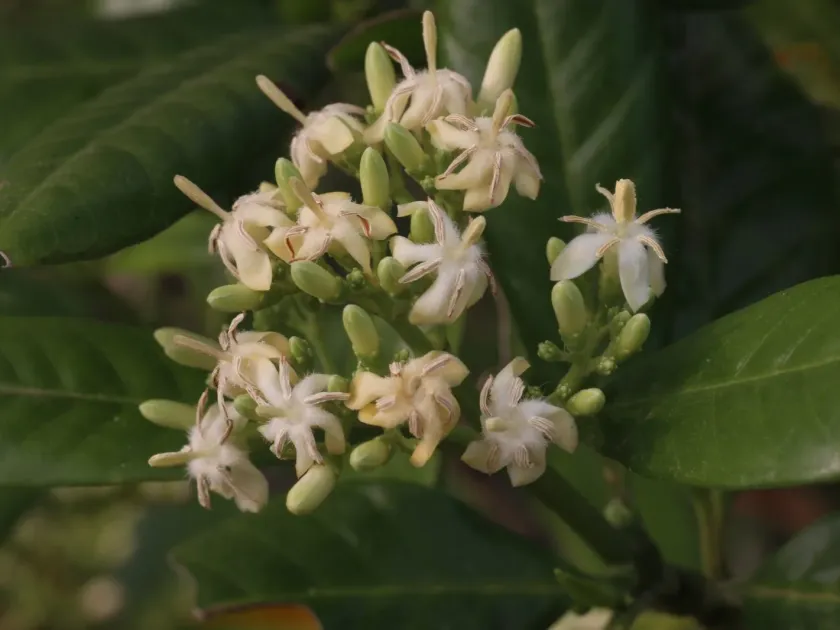
Description
Growing requirements
Tarenna asiatica is a significant member of the Rubiaceae family, appearing as an evergreen tropical shrub native to the forests of Southeast Asia and India.
The plant thrives in well-draining, nutrient-rich soils with a slightly acidic profile. In a cultivation environment, a mixture of peat, perlite, and organic compost is recommended to ensure optimal root health.
As a tropical species, it requires high ambient humidity and stable temperatures ranging between 20 and 28 degrees Celsius. Protection from cold drafts is essential to prevent physiological stress.
Light requirements include bright, filtered sunlight. Exposure to direct noon sun can damage the foliage, leading to yellowing and reduction in photosynthetic efficiency.
From an agricultural standpoint, Tarenna asiatica is highly regarded for its potential medicinal properties. Research focuses on the phytochemical composition of its leaves and roots for pharmaceutical applications.
Main diseases and pests
The main pests affecting Tarenna asiatica include common greenhouse insects like spider mites, mealybugs, and scale insects that thrive in dry air conditions.
Fungal diseases are predominantly caused by waterlogging or poor air circulation, which creates an environment conducive to root rot and fungal leaf spots.
Integrated pest management strategies should include regular inspection of foliage and the maintenance of an appropriate humidity level to deter pest proliferation.
Pruning is a critical maintenance practice that not only shapes the plant but also improves airflow through the canopy, reducing the risk of disease spread.
If chemical interventions are necessary, organic-based insecticidal soaps are preferred to preserve the integrity of the plant tissues and the surrounding environment.