
Tarenna pavettoides
Tarenna pavettoides
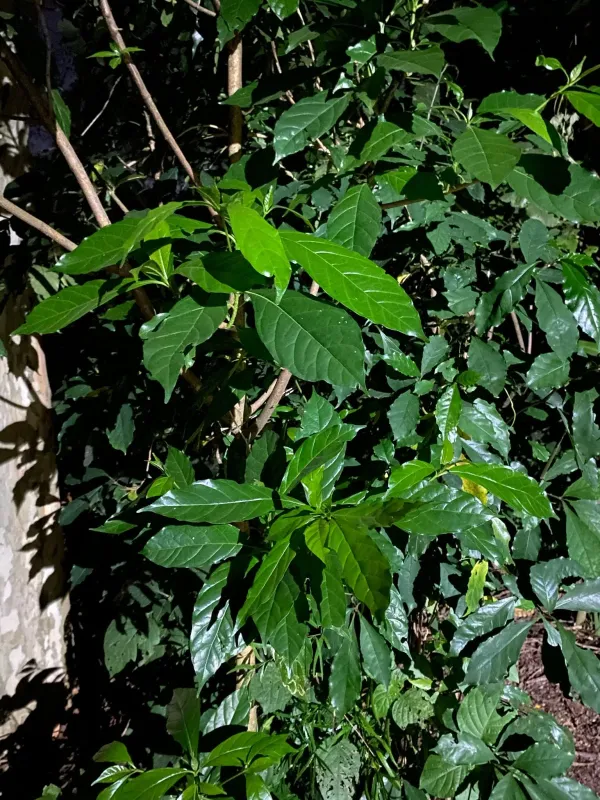
Description
Growing requirements
Tarenna pavettoides is an evergreen shrub or small tree belonging to the Rubiaceae family. This species is native to tropical forests and coastal thickets in Africa, where it thrives in the shady understory layers of dense vegetation.
The cultural range includes regions with tropical climates where temperatures remain consistently mild throughout the year. The plant is sensitive to frost and extreme cold, requiring a controlled environment if cultivated outside its natural habitat.
The species requires well-drained, nutrient-rich soils that retain moisture without becoming waterlogged. Ideal soil for Tarenna pavettoides is slightly acidic, mimicking the forest floor conditions found in its native geographical range.
Regarding light requirements, this plant prefers dappled sunlight or partial shade. Exposure to intense, direct midday sun can stress the plant and lead to chlorosis or leaf scorching, significantly reducing its ornamental value.
Regular maintenance involves keeping a consistent watering schedule to ensure the root zone stays moist. High relative humidity is preferred, making this plant suitable for areas with frequent rain or controlled greenhouse conditions.
Main diseases and pests
Fungal diseases are among the most common threats to Tarenna pavettoides, particularly when air circulation is poor. Excessive moisture on the foliage should be avoided to prevent the spread of leaf spot pathogens.
Common horticultural pests such as scale insects and aphids may infest the plant during the growing season. Early detection and the application of horticultural soaps or systemic insecticides are effective ways to manage these populations.
Root rot is a critical risk associated with overwatering or poor drainage systems. This condition is often fatal if not caught early, requiring the immediate replacement of the soil medium and reduction of irrigation frequency.
Powdery mildew can occur if the plant is kept in environments with fluctuating humidity levels. Implementing a regular pruning program helps to improve light penetration and airflow, reducing the risk of this fungal development.
Spider mites may become problematic during periods of dry heat. Regular misting and maintaining adequate humidity levels around the plant provide a simple and natural way to deter these pests from colonizing the leaves.