
Tarenna dallachiana
Tarenna dallachiana
Description
Growing requirements
Tarenna dallachiana is a woody shrub belonging to the Rubiaceae family, native to the tropical rainforests of Australia. This plant typically thrives in the understory layer, where it relies on filtered sunlight and a highly humid microclimate to sustain its vigorous vegetative growth.
Agricultural success depends on providing fertile, well-draining soil that is rich in organic matter. Given its sensitivity to root saturation, farmers or growers must ensure that the planting site has an excellent drainage profile to prevent root asphyxiation during the wet season.
The climate requirements are strict: the plant necessitates a year-round frost-free environment with consistently high temperatures ranging from 22°C to 28°C. It is strictly a tropical species and cannot tolerate thermal stress or significant seasonal temperature drops.
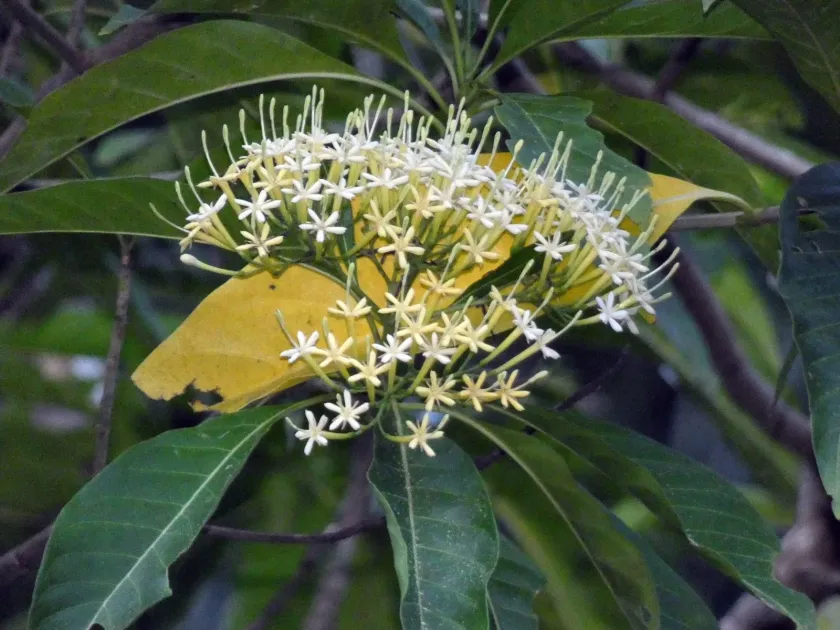
Botanically, the species is characterized by opposite, leathery leaves and terminal inflorescences that produce small, fragrant, star-shaped flowers. These structures are typical for the Tarenna genus and are key identification markers for botanical surveys.
In terms of land use, it is primarily valued in conservation and specialized horticultural projects. Its ability to thrive in shaded environments makes it a suitable candidate for multi-strata agroforestry systems within its natural range.
Main diseases and pests
The main threats to this species include soil-borne pathogens, specifically various species of Phytophthora, which exploit waterlogged conditions to attack the roots.
Insect pests, such as mealybugs and soft scales, frequently target the succulent parts of the plant, drawing nutrients and weakening the overall vigor of the shrub.
Fungal infections of the foliage, such as leaf spot diseases, can occur if the humidity levels are extremely high and air circulation remains stagnant.
Integrated pest management strategies should focus on preventive pruning and the application of biological control agents where appropriate.
Maintaining a healthy, balanced nutrient profile helps the plant resist secondary infections and recover from environmental stresses more effectively.