
Sweet briar
Rosa rubiginosa L.
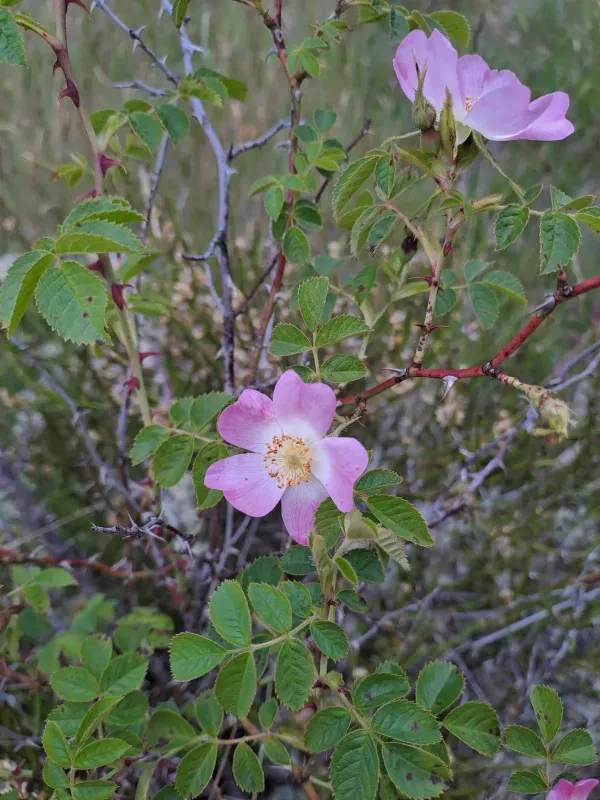
Description
Sowing dates
The propagation of Rosa rubiginosa, commonly known as sweet briar, is typically achieved through seeds or vegetative cuttings. Seeds possess a deep dormancy and require a period of cold stratification, usually lasting 3 to 4 months, to ensure successful germination.
For best results, seeds should be sown in prepared nursery beds during the autumn. This allows the seeds to undergo natural winter stratification, leading to more uniform seedling emergence once soil temperatures rise in the spring.
When sowing, seeds are placed at a depth of 2 to 3 centimeters in well-drained, fertile soil. Keeping the seedbed moist is crucial during the germination phase to prevent the tiny embryos from drying out before they establish roots.
Vegetative propagation is preferred for maintaining genetic consistency. Hardwood cuttings are taken in late autumn, while softwood cuttings are rooted in mid-summer under mist irrigation systems to maintain high humidity levels.
Seedlings or rooted cuttings should be transplanted to their permanent location once they have developed a robust root system. Spacing should be calculated to allow for the natural growth habit of the shrubs and to facilitate future maintenance and harvesting operations.
Growing requirements
Sweet briar is a hardy shrub belonging to the Rosaceae family. It thrives in locations with full sun exposure, although it shows a degree of tolerance to light shade in warmer climates. Sufficient sunlight is vital for abundant flower and fruit production.
The plant is highly adaptable to a variety of soil types, including sandy, loamy, and chalky soils. However, it performs best in deep, well-drained soils with a slightly acidic to neutral pH. Avoiding waterlogged conditions is essential for plant health.
This species is well-known for its excellent cold hardiness and drought tolerance once established. While it can survive harsh winters, young plants may benefit from protective mulching around the root zone during their first year in the field.
Soil fertility management is key to sustained yield. Incorporating well-rotted organic matter before planting improves soil structure and nutrient availability, while balanced NPK fertilization during the growing season supports healthy vegetative growth.
Proper air circulation is necessary to minimize the risks of fungal diseases. Planting at appropriate densities prevents the development of stagnant air pockets, which are common hotspots for mildew and rust outbreaks in dense rosehip plantations.
Yield
Fruit production typically commences 3 to 4 years after the initial planting. As the shrub matures, its yield increases significantly, provided that the plant is maintained with regular pruning to stimulate the growth of young, high-yielding wood.
The hips are valued for their high content of Vitamin C, carotenoids, and essential fatty acids. This makes them a significant resource for the food, nutraceutical, and cosmetic industries, where they are processed into oils, extracts, and syrups.
The leaves of Rosa rubiginosa are distinct due to their apple-like fragrance, which is caused by glandular hairs on the leaf surface. This makes the foliage an additional product of interest for the essential oil industry and aromatic herb markets.
Yield stability is improved by removing old, unproductive wood and crossing branches. A systematic pruning program ensures that the bush remains open to light, which directly correlates to the ripening quality and quantity of the rosehips.
Marketable yields require careful handling post-harvest. Efficiency in harvesting and immediate post-harvest processing are the primary factors in maximizing the quality of the raw material supplied to commercial buyers and manufacturers.
Main diseases and pests
Rust, caused by the fungus Phragmidium, is a major concern for sweet briar cultivators. Symptoms include orange or rusty pustules on the undersides of leaves, leading to chlorosis, defoliation, and reduced vigor in heavily infested plants.
Powdery mildew represents another serious threat, particularly in environments with high humidity and poor air circulation. It manifests as a white, powdery fungal growth on leaves and buds, inhibiting plant development and reducing overall fruit quality.
Common pests such as aphids and leaf-rolling caterpillars can cause significant damage to new growth. Aphid infestations in particular can lead to stunted shoots and the transmission of viral diseases, requiring diligent monitoring and intervention.
Integrated pest management strategies are recommended, focusing on early detection and the use of preventative cultural practices. Removing infected plant parts and maintaining clean garden hygiene helps to reduce the survival of fungal spores.
In cases of severe infestation, the application of approved fungicides and organic insecticides may be necessary. Careful timing and adherence to product labels are essential to protect both the beneficial insects and the safety of the harvested product.
Harvesting
Harvesting usually takes place in late summer or early autumn, depending on the local climate. The rosehips should be picked when they are fully ripe, displaying a deep red color and a firm but fully developed texture.
Because the shrub is heavily armed with prickles, harvesters must use protective gear, including thick gloves and long-sleeved clothing. Mechanical aids can assist in larger-scale operations, but manual harvesting remains the standard for high-quality produce.
Speed is critical after harvest; rosehips deteriorate quickly if left in bags or large containers. They should be transported immediately to drying facilities to preserve their heat-sensitive vitamins and prevent the growth of molds and yeasts.
Drying is the most important step in processing. Utilizing industrial dehydrators at temperatures between 60°C and 70°C ensures that the moisture content is reduced quickly enough to prevent browning and the loss of essential antioxidants.
Once dried, the hips are cleaned, sorted, and packed into moisture-resistant packaging. Proper storage in a cool, dark, and dry environment is essential to maintain the shelf life and potency of the vitamin-rich medicinal material.