
Multiflora rose
Rosa multiflora Thunb.
Description
Sowing dates
Seeds are typically sown in late autumn to facilitate winter stratification, which is essential for uniform germination in spring. The seeds are placed in shallow furrows at a depth of 1-2 centimeters in well-prepared, moisture-retentive seedbeds.
Growing requirements
The multiflora rose (Rosa multiflora Thunb.) is a prominent member of the Rosaceae family. It is a perennial shrub known for its vigorous, arching, or climbing stems that can reach significant heights, making it an excellent plant for boundary protection and landscape design.
Originating from East Asia, including Japan, Korea, and China, the plant has established itself globally. It is highly valued in horticulture for its adaptability to diverse environmental conditions and its ability to thrive in various temperate climates.
For optimal growth, Rosa multiflora requires well-drained, fertile soil and full sunlight exposure. Although it is remarkably hardy, providing sufficient spacing between plants is crucial to ensure proper air circulation and to prevent the development of physiological stress.
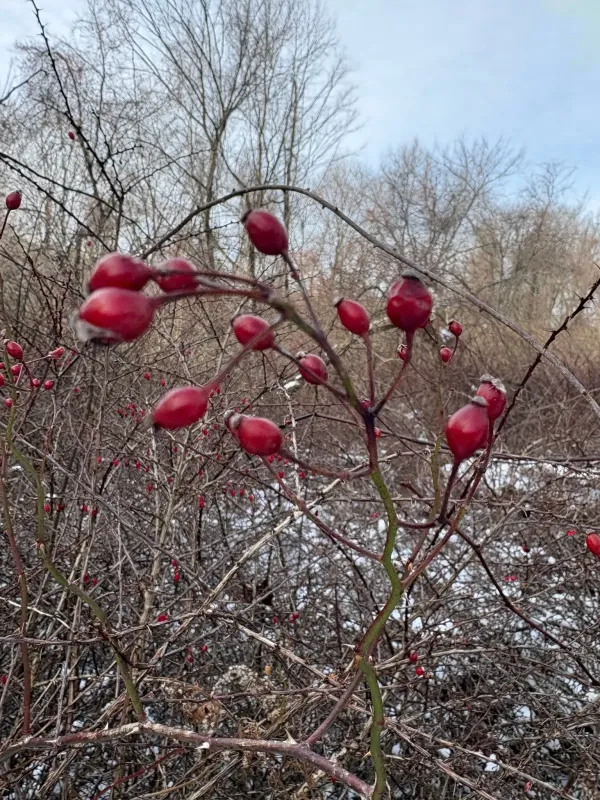
Botanically, the plant is characterized by its compound leaves with serrated leaflets and its spectacular, large clusters of white flowers. The fruit, small red hips, ripens in autumn and serves as a valuable resource for local wildlife, supporting biodiversity in agricultural lands.
In terms of agricultural use, this species is most widely utilized as a rootstock for ornamental and commercial roses. Its high graft compatibility and robust root system provide superior vigor and environmental tolerance to the scions, ensuring better survival rates for nursery stock.
Main diseases and pests
The plant is susceptible to several pathogens, with powdery mildew and black spot being the most prevalent. These diseases can significantly weaken the shrub if not managed through proper sanitation and, if necessary, the application of appropriate fungicidal treatments.
Common insect pests include aphids, which frequently infest tender shoot tips, and spider mites, which thrive in hot, dry conditions. Integrated pest management practices, including regular monitoring and the introduction of beneficial insects, are highly effective for maintaining healthy plantations.