
Dog rose
Rosa canina L.
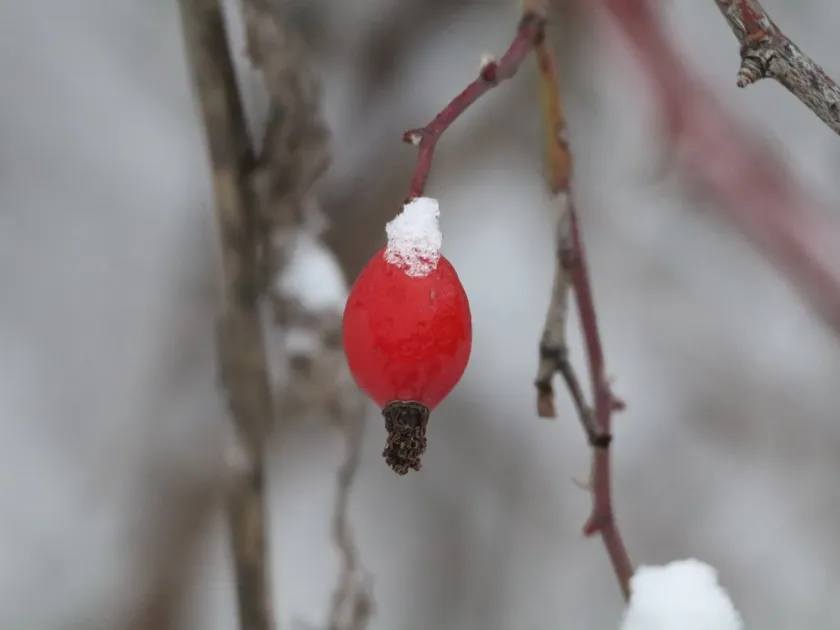
Description
Sowing dates
Dog rose (Rosa canina L.), belonging to the Rosaceae family, is a versatile perennial shrub widely cultivated for its high-value medicinal fruit. Propagation is typically achieved through seeds, which require a lengthy cold stratification process to overcome dormancy before germination occurs in the spring.
Seeds should be sown in autumn at a depth of 2–3 cm in well-prepared seedbeds. Regular irrigation and weed management are essential during the first season of growth to ensure that seedlings develop a healthy and robust root system capable of supporting future growth.
For commercial plantation establishment, spacing is critical to ensure high yields and ease of maintenance. Rows should be spaced 3 meters apart with plants 1.5 to 2 meters within the row, allowing sufficient airflow to minimize fungal disease pressure.
Land preparation should include deep plowing and the incorporation of organic matter, such as compost or well-rotted manure, to improve soil structure. This preparation ensures the plants receive adequate nutrition during their establishment phase in the orchard.
As a species native to Europe, Asia, and North Africa, the Dog rose shows great resilience to diverse environmental conditions. It is increasingly valued in sustainable agriculture as both a soil stabilizer and a commercial crop.
Growing requirements
The Dog rose thrives in full sunlight, which is necessary for optimal fruit development and high concentration of active compounds. Choosing south-facing slopes or open fields maximizes exposure to light and improves total crop yields.
Soil requirements are relatively modest; the plant prefers loamy to sandy loam soils that provide excellent drainage. Waterlogged soil must be avoided at all costs, as excessive moisture often leads to root rot and diminished plant vigor.
Agronomic management includes annual pruning to remove old or damaged branches and to shape the canopy. This rejuvenation pruning is vital for maintaining high fruit yields, as Dog roses produce most of their fruits on one-to-three-year-old wood.
Water requirements are generally low once the plant is established. Supplemental irrigation is only recommended during prolonged drought periods in mid-summer, specifically when the fruits are expanding to prevent fruit shriveling.
Weed control in inter-row spaces is essential for maintaining crop health. Using mechanical cultivation or planting ground covers helps suppress weeds without relying heavily on herbicides, aligning with modern eco-friendly agricultural practices.
Yield
The Dog rose typically begins producing a harvestable yield by the third or fourth year after planting. The period of maximum productivity usually spans from year seven to year fifteen, providing a steady income for growers.
Commercial yields can range from 3 to 6 metric tons per hectare depending on site conditions, variety, and the intensity of management. Consistent fertilization with phosphorus and potassium is key to supporting this level of productivity.
The primary use of the harvest is in the pharmaceutical and food processing sectors, where the hips are extracted for Vitamin C, natural colorants, and anti-inflammatory compounds. High-quality harvests depend heavily on harvesting at the correct maturity stage.
Beyond the fruit, the seeds within the hips are a valuable source of rosehip oil, which is highly sought after in the cosmetics industry for its skincare properties. This byproduct significantly improves the economic viability of the enterprise.
Implementing a fertilization program based on periodic soil testing ensures that the nutritional balance is maintained, preventing the biennial bearing tendency sometimes seen in extensive rose plantations.
Main diseases and pests
Powdery mildew is a common fungal threat to Rosa canina, appearing as a white dusting on leaves and stems during humid, warm conditions. Regular monitoring and the application of fungicides, if necessary, are important for large-scale operations.
Rose aphids represent a significant pest, as they congregate on young shoots and buds, hindering plant growth. Integrated pest management, such as encouraging natural predators or using insecticidal soaps, is often successful.
Rust and other leaf-spotting fungi can cause premature defoliation, which weakens the plant and lowers fruit sugar levels. Sanitary measures, such as raking and destroying fallen leaves in autumn, help reduce the overwintering inoculum.
The rose gall wasp can cause characteristic woody growths on stems, which, while usually not fatal, may impact fruit production if infestation levels are high. Regular pruning of infested stems during the dormant season is a key control tactic.
Early identification of pest cycles allows for targeted, low-impact control, ensuring that the fruit remains suitable for high-end pharmaceutical and food use with minimal chemical residues.
Harvesting
Harvesting Dog rose hips is a labor-intensive task, typically performed between late August and October. Fruit should be picked when it has turned deep red but remains firm to the touch, ensuring the best chemical profile.
Post-harvest handling is critical to quality. The fruit must be dried immediately in mechanical dryers at temperatures between 60°C and 70°C to preserve the Vitamin C content and prevent fungal growth during storage.
Properly dried hips are stored in cool, dry areas within breathable paper sacks to prevent moisture accumulation. This storage method ensures that the product remains viable for several years before final processing.
While hand-picking remains the standard for premium quality, the industry is gradually shifting toward mechanical harvesting technology. Success with machines requires pruning the bushes to a specific form that is compatible with harvester access.
Efficiency in the harvest chain, from field picking to the drying facility, is the most important factor in determining the shelf-life and market value of the harvested Dog rose crop.