
Apple rose
Rosa villosa L.
Description
Sowing dates
The apple rose (Rosa villosa L.), a member of the Rosaceae family, is typically propagated via seeds, root suckers, or softwood cuttings for commercial cultivation.
Seed propagation requires a stratification period of several months at low temperatures to break dormancy, ensuring a high germination rate in the following spring.
Softwood cuttings are taken during the active growth season, treated with rooting hormones, and kept in a humid environment to ensure successful root formation.
Planting in the field is best performed during the dormant season, either in early spring before bud break or in late autumn before the ground freezes.
Standard orchard spacing involves 1.5 to 2 meters between plants, allowing for proper air circulation and development of the shrub's natural, spreading habit.
Growing requirements
Rosa villosa thrives in full sun but demonstrates adaptability to partial shade, making it a versatile choice for various garden and hedge landscapes.
The plant prefers well-drained, fertile loamy soils with a slightly acidic to neutral pH, which supports robust root growth and nutrient uptake.
As a temperate climate species, the apple rose exhibits excellent cold hardiness, surviving harsh winter conditions without the need for additional protection.
Adequate soil moisture is crucial, especially during the fruit development stage, though the plant is reasonably drought-tolerant once fully established.
Maintenance involves regular weeding and light mulching to retain soil moisture and suppress competition from invasive grass or weeds around the base.
Yield
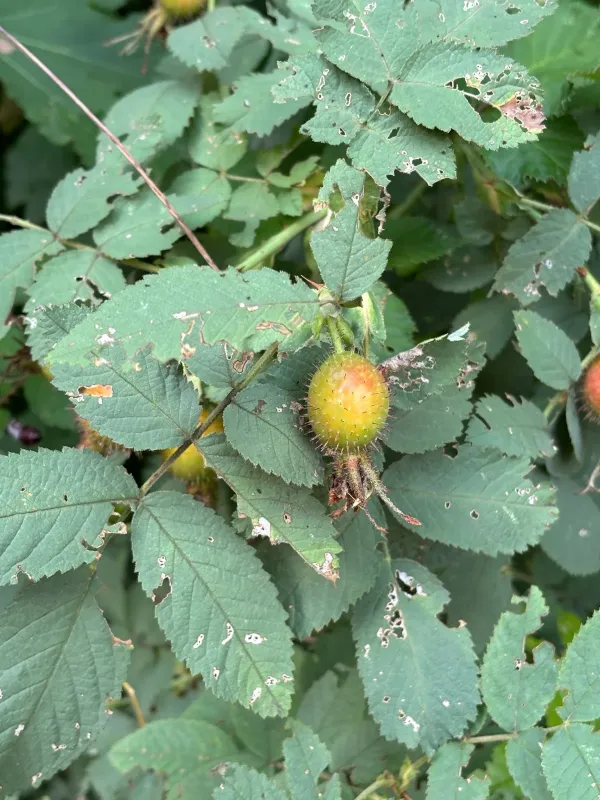
The apple rose is prized for its large, fleshy, vitamin-rich fruits (hips), which are distinctively fuzzy and often larger than those of other wild species.
A healthy, mature bush can produce an abundant harvest, often reaching 3 to 5 kg of fruit per plant when provided with optimal light and pruning.
Yield consistency is maintained by regular thinning of old wood, which promotes the growth of younger, more productive canes and improves fruit quality.
The fruits are highly valued for their nutritional content, particularly vitamin C, and are used extensively in herbal teas, syrups, and preserves.
Proper harvest management and protection against pests are key to ensuring that the quality of the yield meets market or processing standards.
Main diseases and pests
Powdery mildew is a common fungal threat that appears as a white, dusty layer on leaves, often occurring when air circulation is poor or humidity is high.
Rust fungi may affect the foliage, resulting in orange or brown pustules that weaken the plant and cause premature leaf drop if not addressed promptly.
Aphids and rose sawflies are typical insect pests that feed on young, succulent tissue, potentially causing significant damage to the plant's aesthetic and vitality.
Management of these threats includes cultural practices such as pruning affected areas and, if necessary, the application of targeted organic or synthetic fungicides.
- Monitor leaves regularly for early signs of disease.
- Ensure adequate spacing between plants to improve airflow.
- Remove any fallen leaves around the base to reduce disease spores.
Harvesting
The harvesting of apple rose hips should occur when they are fully ripe, deep red in color, and slightly soft to the touch for maximum flavor and nutrients.
Due to the sharp, dense prickles covering the canes, harvesters should wear protective gloves and long-sleeved clothing to prevent injury during picking.
Post-harvest care involves immediate transport to a processing or drying facility to prevent fermentation or degradation of the delicate vitamin compounds.
Drying is conducted at controlled temperatures below 60°C to preserve the nutritional integrity, resulting in a stable product with a long shelf life.
Properly dried hips can be stored in airtight, cool, dark containers, remaining viable for consumption for up to two years after the harvest.