
China rose
Rosa chinensis Jacq.
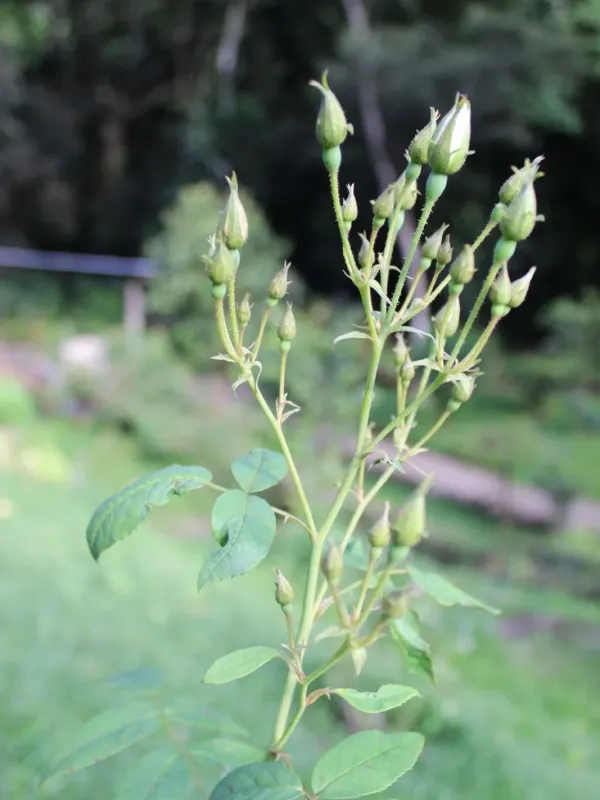
Description
Growing requirements
China rose, scientifically classified as Rosa chinensis, is a perennial shrub belonging to the Rosaceae family. It is historically significant as it introduced the trait of repeat-flowering to the Western rose breeding programs.
Native to China, this species thrives in climates ranging from subtropical to temperate. In agricultural and horticultural settings, it requires locations with full sun exposure to maintain vigorous growth and produce high-quality blooms throughout the season.
The ideal soil for this crop is fertile, well-draining loam with a slightly acidic to neutral pH level. Proper site preparation is essential to prevent waterlogging, which the root system of this species is highly susceptible to.
Temperature requirements are critical, with an optimal range between 18°C and 26°C. While it displays some resilience, it generally lacks extreme cold hardiness, necessitating winter protection in regions prone to heavy frost.
Cultivation management involves consistent fertilization schedules using balanced NPK nutrients during the active growing season. Periodic pruning is also essential to encourage air circulation, remove dead wood, and stimulate the production of new flowering shoots.
Main diseases and pests
Powdery mildew is a prevalent fungal disease affecting Rosa chinensis, characterized by a white powdery coating on leaves. It is often triggered by fluctuating humidity levels and poor ventilation within the plant foliage.
Black spot is another significant threat, leading to defoliation and weakened plant health. Management strategies include the removal of infected debris and the targeted application of protective fungicides during humid weather.
Aphids pose a constant threat to young growth and flower buds, as they congregate to feed on plant sap. Early detection and the use of insecticidal soaps or systemic pesticides are standard practices to minimize colony expansion.
Spider mites are common in hot, dry conditions and can cause significant damage to the leaf tissue. Maintaining adequate humidity and using miticides can successfully mitigate the damage caused by these pests.
Integrated pest management, combined with proper plant spacing, remains the most effective approach to ensuring the vitality of the China rose. Constant monitoring is necessary to maintain a healthy and aesthetically pleasing crop.