
Fringed bleeding heart
Dicentra eximia (KerGawl.) Torr.
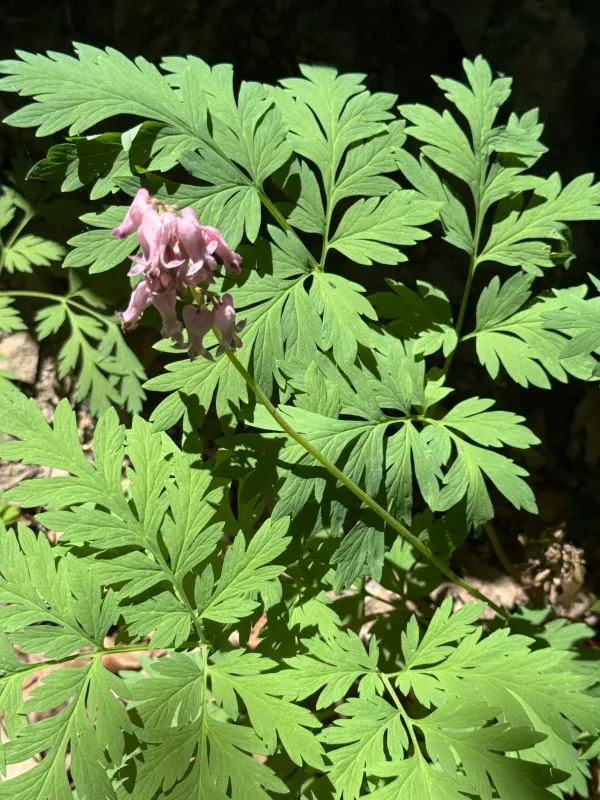
Description
Sowing dates
The propagation of Dicentra eximia is most effectively performed by dividing the rootstock in early spring or late autumn when the plant is dormant.
Seed propagation is possible but requires a cold stratification period to break the seed dormancy, making it a longer process for the gardener.
Seeds should be sown in a well-drained, moist potting mix and kept in a cool location to simulate winter conditions before germinating in spring.
When starting from seeds, ensure the soil remains consistently moist but not waterlogged, as seedlings are sensitive to fungal issues.
Young plants should be hardened off before being transplanted into their final garden location to ensure better survival rates.
Growing requirements
Dicentra eximia, a member of the Papaveraceae (subfamily Fumarioideae) family, is native to the Appalachian Mountains of North America.
This species thrives in woodland garden settings, preferring dappled shade and moist, humus-rich soil that is slightly acidic to neutral in pH.
The plant is highly valued for its finely divided, fern-like foliage and prolonged blooming season, which lasts longer than many other bleeding heart species.
Effective agrotechnical management includes regular mulching to retain soil moisture and providing protection from harsh afternoon sunlight.
The plant is hardy and well-adapted to cooler climates, requiring minimal winter protection provided the drainage in the soil is adequate.
Main diseases and pests
Aphids are the most common insect pest for Dicentra eximia, often clustering on the flower stalks and new leaf growth during warmer periods.
Root rot and crown rot represent the primary disease threats, usually triggered by waterlogged soil conditions or poor site drainage.
To mitigate the risk of fungal pathogens, it is essential to provide adequate spacing between plants to encourage air circulation through the canopy.
Slugs and snails may attack the foliage during wet spring weather, necessitating the use of traps or environmentally safe deterrents.
Regular monitoring of the foliage helps in early detection of pests, allowing for targeted treatment before the infestation spreads significantly.