
Dicentra eximia x Dicentra peregrina
Dicentra eximia x Dicentra peregrina
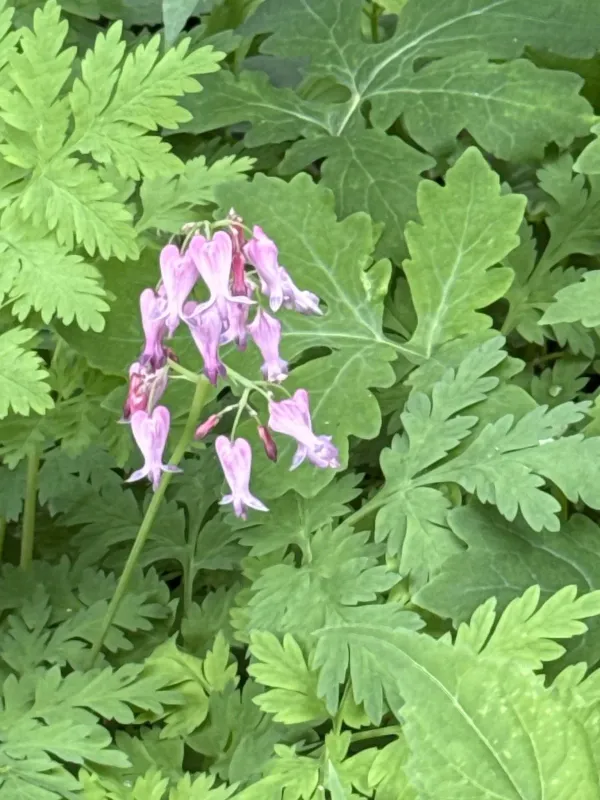
Description
Growing requirements
This hybrid, known scientifically as Dicentra eximia x Dicentra peregrina, belongs to the Papaveraceae family. It is a prized perennial known for its finely cut, fern-like foliage and persistent, heart-shaped flowers that appear throughout the summer months.
Originating from the mountainous regions of North America and Asia, the plant thrives in cool, temperate climates. It is highly valued for its ability to brighten up shady corners of the garden where other flowering plants might struggle.
To succeed, it requires moist, humus-rich soil with excellent drainage. While it appreciates moisture, it will not tolerate waterlogged conditions, which can be fatal for the delicate root systems typically found in this genus.
Cultural care involves providing adequate shade during the hottest parts of the day and ensuring consistent moisture levels. Mulching with organic material helps maintain cool root temperatures and suppresses weed growth effectively.
In landscaping, this hybrid serves as an excellent groundcover or border plant. It is frequently used in woodland-style gardens, rockeries, and containers, providing a delicate texture that contrasts beautifully with broad-leaved perennials.
Main diseases and pests
Slugs and snails are the most frequent pests, particularly in damp and cool springs. They can quickly damage the foliage, so using physical barriers or organic baits is recommended during the early growth stages.
Root rot is a major threat caused by heavy, poorly drained soils. Gardeners should ensure the planting site is elevated or amended with sand or grit to facilitate water movement away from the crown of the plant.
Powdery mildew can occur if air circulation is insufficient or during humid spells in late summer. Improving the spacing between plants and avoiding overhead irrigation can significantly reduce the risk of this fungal issue.
Aphids may occasionally target the flower stalks, leading to stunted blossoms. Gentle washing with water or applying insecticidal soap is usually enough to manage localized infestations without harming the plant.
Viral infections can manifest as mottled leaves or distorted growth patterns. Since there is no cure, preventing insect transmission and maintaining overall plant vigor are the best defensive strategies against viral diseases.