
Pacific bleeding-heart
Dicentra formosa (Andrews) Walp.
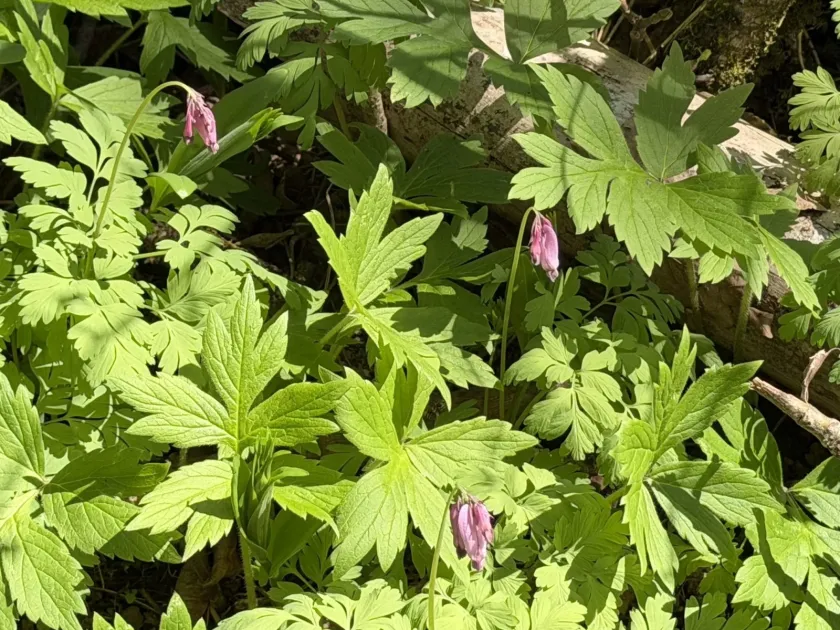
Description
Sowing dates
Sowing seeds of the Pacific bleeding-heart is best performed in late autumn, allowing the seeds to undergo natural stratification during the winter months.
Indoor sowing can be initiated in early spring by placing containers in a cool environment, mimicking the natural transition from winter to spring conditions.
Vegetative propagation is achieved by dividing the fleshy rhizomes, which is most successful in early spring or immediately after the flowering season ends.
Each divided section must contain multiple healthy buds to ensure rapid establishment when replanted into fresh, nutrient-rich soil in the garden.
Proper spacing between plants, typically 30 to 40 centimeters, is crucial to promote good air circulation and prevent overcrowding as the plants mature.
Growing requirements
The Pacific bleeding-heart belongs to the Papaveraceae family and is recognized by its delicate, fern-like foliage and unique heart-shaped flowers.
This species thrives in shaded or semi-shaded areas, making it an excellent choice for woodland gardens or north-facing garden beds.
It prefers moist, humus-rich, and well-draining soil to mimic its native habitat in the temperate forests of western North America.
Consistent moisture is essential for this plant; however, the soil must be well-drained to avoid waterlogging, which often leads to root decay.
The plant is highly resilient and frost-hardy, adapting well to various climates within the temperate zone without extensive winter protection.
Main diseases and pests
Fungal issues, particularly Verticillium wilt and root rot, represent the primary health threats to the Pacific bleeding-heart in poorly drained soils.
Aphids can occasionally cluster on the flower stalks or the undersides of leaves, requiring mechanical removal or the use of insecticidal soap.
Slugs and snails are known to feed on the tender emerging foliage in early spring, often causing significant aesthetic damage to the plant leaves.
Gray mold, also known as Botrytis, may appear during periods of high humidity and poor ventilation, necessitating the removal of affected tissues.
Maintaining a clean garden environment and preventing excessive soil moisture are the best preventative measures against common garden pests and diseases.