
Dicentra hybrid
Hybrids between Dicentra formosa and Dicentra peregrina
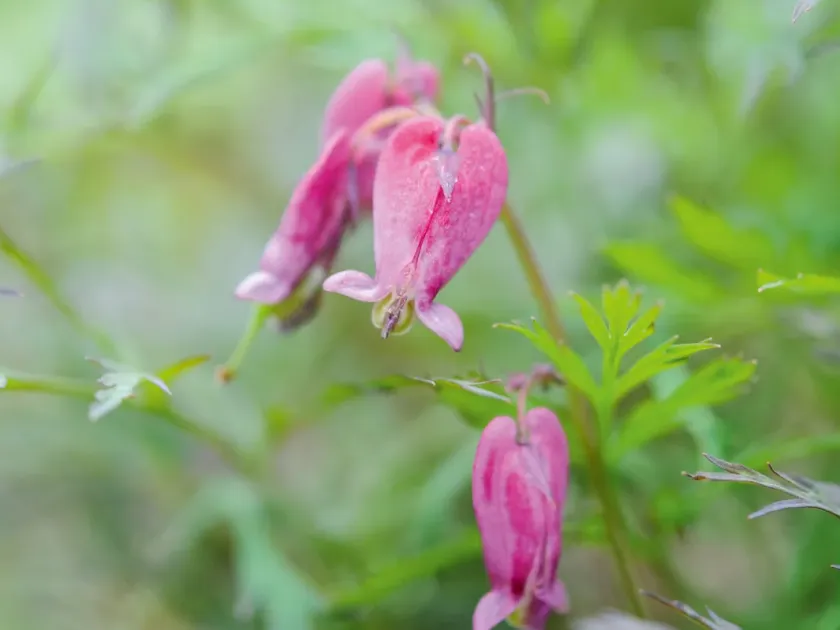
Description
Growing requirements
The Dicentra hybrid (Dicentra formosa x peregrina) is a sophisticated ornamental crop belonging to the Fumariaceae family. This hybrid represents an intersectional cross between North American and Far Eastern species, resulting in plants that are both aesthetically appealing and relatively robust in garden settings.
Successful cultivation requires a semi-shaded environment. The foliage is sensitive to direct, harsh sunlight, which can easily scorch the leaves; therefore, selecting an appropriate location under the canopy of trees or in an area with morning sun only is crucial for optimal development.
The soil requirements focus on fertility and drainage. The plants thrive in loose, humus-rich soil that mimics the forest floor environment. Ensuring a slightly acidic to neutral soil pH helps the plant efficiently absorb essential nutrients from the substrate.
Effective moisture management is a cornerstone of the agronomy for this species. While the soil should be kept consistently moist, it must never be waterlogged. Proper site preparation involving organic amendments can improve the soil structure to ensure healthy root respiration.
Regarding climate, these hybrids are noted for their cold hardiness, particularly the influence of the D. peregrina parentage. In colder regions, applying a layer of organic mulch around the root zone helps stabilize soil temperatures during the winter and protects the crowns from freezing.
Main diseases and pests
Fungal pathogens represent the most significant threat to Dicentra hybrids, especially in conditions of high humidity and poor air circulation. Verticillium wilt is a concern that affects the vascular system, often leading to sudden collapse of the stems if left unmonitored.
Botrytis blight (grey mould) commonly manifests during wet, cool springs. It appears as discoloured spots on leaves and flowers, eventually covering them in a dusty fungal growth. Reducing overhead irrigation and improving plant spacing can significantly mitigate these risks.
Garden pests such as slugs and snails are particularly problematic for young, emerging shoots. They can defoliate a plant within a few nights. Utilizing barriers such as crushed eggshells or environmentally safe molluscicides is standard practice in integrated pest management.
Aphids occasionally target the tender growth of the flower spikes. While usually not lethal, they weaken the plant and can serve as vectors for viral diseases. Management involves regular monitoring and the application of insecticidal soaps if population densities reach economic thresholds.
General hygiene in the garden is essential to maintain plant health. Removing dead foliage at the end of the season prevents the overwintering of spores and insects, ensuring a healthy start for the following spring growth cycle.