
Sparaxis villosa
Sparaxis villosa
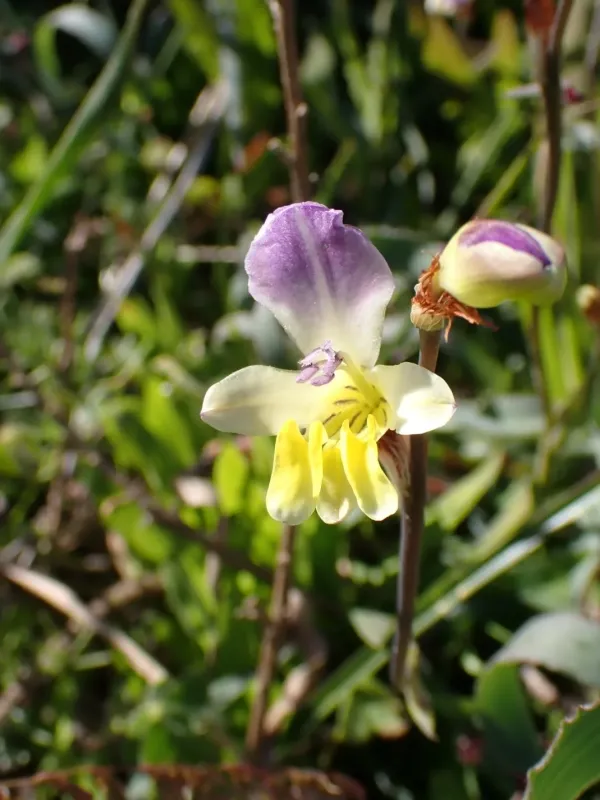
Description
Sowing dates
Sparaxis villosa is typically propagated through corms, which should be planted in well-draining soil during the spring season once the threat of frost has passed and the ground is sufficiently warm.
When growing from seeds, they should be sown in late winter in a greenhouse or indoor setting. Using a light, sterile seed-starting mix is essential to ensure proper aeration and prevent moisture-related issues.
The planting depth for the corms should be approximately 5 to 8 centimeters deep. Spacing is crucial for plant health; keeping them at least 10–15 centimeters apart promotes better airflow and prevents overcrowding.
Preparing the soil bed by adding coarse sand or fine grit at the bottom of the planting hole is a recommended practice to improve drainage and reduce the risk of corm decay.
It is important to ensure that the site receives ample sunlight, as this species requires consistent warmth and high light intensity to thrive and produce its signature blossoms.
Growing requirements
Originating from the Cape region of South Africa, Sparaxis villosa requires a sunny, open location. It is best suited for climates with mild winters, as it is not frost-tolerant and requires protection in colder areas.
The soil must be light, porous, and slightly acidic to neutral in pH. Soil structure is paramount; heavy clay soils should be amended with organic matter or gravel to ensure they do not retain excess water.
Watering management is key: the plants need moderate moisture during the active growth and flowering season. Once the foliage begins to yellow and die back, watering should be strictly reduced.
These plants appreciate a temperate climate with a distinct dry season following their growth period. This natural cycle mimics their native habitat and is essential for the long-term health of the corms.
Regular fertilization with a balanced, low-nitrogen liquid fertilizer during the early stages of bud development can enhance flower color and plant vigor throughout the season.
Main diseases and pests
The most significant threats to Sparaxis villosa include root and bulb rots caused by various fungi such as Fusarium. These conditions are almost always linked to poor drainage and excessive soil moisture.
Common garden pests including aphids, thrips, and spider mites can attack the foliage and stems. These pests not only weaken the plant but can also serve as vectors for various plant viruses.
If the environment is too humid and lacks sufficient air circulation, the plants may become susceptible to powdery mildew or other leaf spot diseases, which degrade the foliage quality.
Proper hygiene, such as removing infected plant parts and maintaining weed-free beds, significantly reduces the pressure from these pests and diseases during the growing cycle.
Application of appropriate fungicides or insecticides may be necessary if infestations reach a critical threshold, but these should be used judiciously to avoid harming beneficial insects.
Harvesting
Harvesting the corms involves carefully lifting them from the soil after the foliage has turned brown and withered. This process signals that the corm has finished storing nutrients for the next cycle.
After excavation, the corms should be cleaned of soil and debris, then cured in a cool, dry, and dark location for several days to allow any damaged areas to heal properly.
Once cured, the corms should be stored in ventilated containers or mesh bags at a stable temperature of approximately 10–12°C, away from direct sunlight and high humidity levels.
Regular inspection of stored corms is recommended to remove any that show signs of rot or decay, which prevents the infection from spreading to healthy plant material.
Successful long-term storage is the cornerstone of annual cultivation, ensuring that the corms remain healthy and ready to emerge vigorously when the next planting season begins.