
Sparaxis caryophyllacea
Sparaxis caryophyllacea
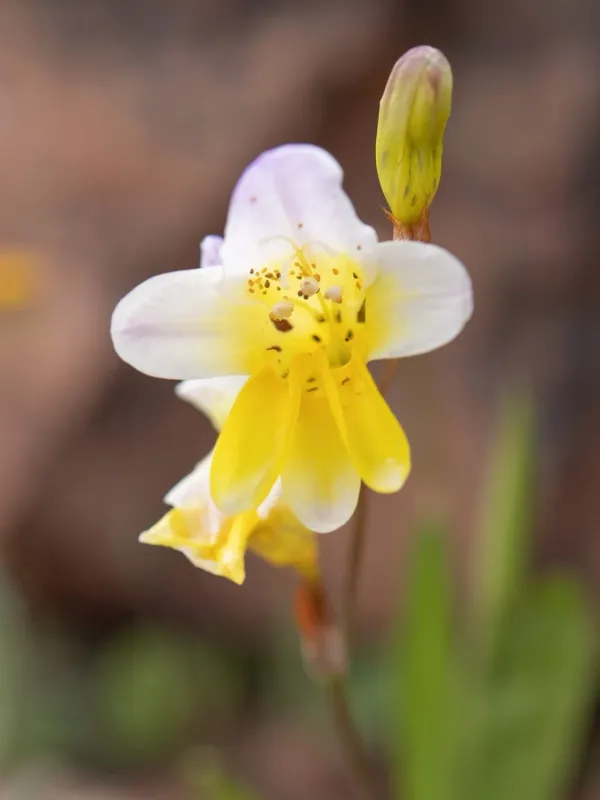
Description
Sowing dates
Sparaxis caryophyllacea is a member of the Iridaceae family, recognized as a distinctive bulbous perennial. In regions with mild climates, bulbs are typically planted in the autumn, allowing them to establish roots before the winter cooling period begins.
For areas prone to frost, spring planting is recommended once the soil temperature consistently reaches at least 10–12 degrees Celsius. Proper planting depth is crucial, usually set between 5 and 8 centimeters to protect the bulb from surface temperature fluctuations.
Professional growers often pre-sprout bulbs in containers to achieve more uniform growth and earlier flowering in the season. This method allows for a controlled transition to outdoor conditions once the weather remains steadily warm and the threat of frost is gone.
The spacing between bulbs should be kept at 10–15 centimeters to ensure adequate ventilation. Proper spacing reduces the humidity around the foliage, which is essential to prevent the development of common fungal pathogens.
Selecting the right location is vital for this species, as it requires full exposure to sunlight throughout the day. Inadequate light exposure often leads to etiolated stems and significantly poorer flower production throughout the blooming period.
Growing requirements
The primary soil requirement for this species is excellent drainage, as the bulbs are highly susceptible to rot if left in waterlogged soil. Incorporating coarse sand or fine gravel into the planting medium is highly advised for heavier soil types.
Soil pH should ideally be neutral or slightly acidic, ranging from 6.0 to 7.0. Ensuring that the soil is light and porous allows for easy root penetration and promotes the healthy development of daughter bulbs during the growth cycle.
Sparaxis caryophyllacea thrives in warm environments and needs protection from harsh, drying winds. Even in favorable climates, shelter from strong gusts helps to preserve the integrity of the flower stalks and prevents premature damage.
Watering frequency should be adjusted based on the growth stage, with consistent moisture required during the active vegetative and flowering phases. Post-flowering, the moisture levels should be significantly reduced to allow the bulb to enter dormancy.
Fertilization with a balanced NPK fertilizer at the start of the season provides the necessary nutrients for vibrant blooms. Potassium-rich supplements are particularly beneficial as they support the maturation of bulbs for the following year.
Main diseases and pests
Fungal infections, such as root rot and fusarium, are the most significant threats to plant health. Treating bulbs with a broad-spectrum fungicide prior to planting is a standard preventative measure to ensure successful crop establishment.
Pests like aphids and spider mites can cause considerable damage to leaves and buds if left unchecked. Integrated pest management, including regular inspection and the use of targeted insecticides, remains the best practice for control.
Bacterial soft rot may occur if soil moisture is poorly managed or if bulbs were damaged during handling or storage. Maintaining clean, dry conditions during the off-season dormancy is essential to protect the integrity of the planting stock.
Crop rotation is recommended to prevent the buildup of soil-borne diseases that can affect the bulbs over time. Avoiding the replanting of Sparaxis in the same location for multiple consecutive seasons is a key strategy for disease mitigation.
Early identification of symptoms, such as leaf discoloration or stunted growth, is vital for saving individual plants. Quick removal of infected specimens helps maintain the overall health of the planting bed and protects surrounding vegetation.