
Sparaxis grandiflora
Sparaxis grandiflora
Description
Sowing dates
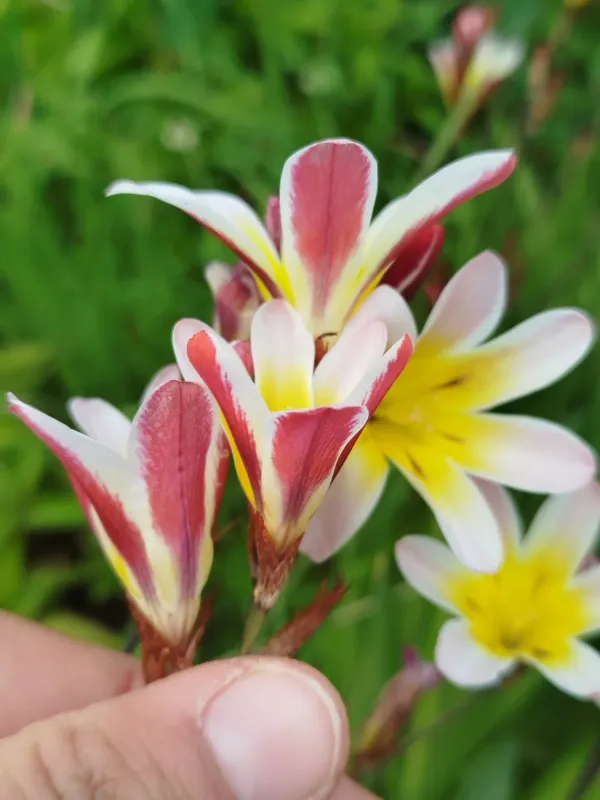
Sparaxis grandiflora is a distinct member of the Iridaceae family, originating from the Cape Floristic Region of South Africa, valued for its large, vibrant flowers.
In Mediterranean-type climates, corms are typically planted in the autumn, allowing them to establish roots during the cool, moist season before spring flowering.
In colder regions, planting is strictly reserved for the spring, once the threat of severe ground frost has passed and the soil has begun to warm up.
The corms should be planted at a depth of approximately 5 to 7 centimeters to ensure they are protected from surface temperature fluctuations.
Planting density should be carefully managed, with a spacing of about 10 centimeters between individual plants to encourage healthy airflow and reduce competition.
Growing requirements
Full sun exposure is a non-negotiable requirement for Sparaxis grandiflora; inadequate light will result in leggy plants and reduced flower production.
The plant thrives in gritty, well-draining soils with a near-neutral pH, as poor drainage is the primary cause of corm failure in non-native climates.
While the plant needs moderate water during the growth cycle, it requires a dry summer dormancy period to mimic its natural South African habitat.
Adding a balanced, low-nitrogen fertilizer during the pre-blooming phase can significantly enhance the intensity and longevity of the floral display.
Protection from strong winds is highly recommended, as the delicate, slender stems of this species can be easily damaged by turbulent weather conditions.
Main diseases and pests
The primary threats to this species are soil-borne pathogens such as Pythium and Rhizoctonia, which thrive in waterlogged or overly compacted soils.
Pests, particularly aphids, can cause significant damage to emerging shoots and buds, necessitating timely application of systemic or contact insecticides.
Inadequate air circulation during indoor storage can lead to the rapid spread of Penicillium molds among the dormant corms, destroying potential harvests.
Thrips may also pose a risk during warm, dry springs, causing characteristic silvery streaking on the foliage and deformed flower petals.
Integrated Pest Management (IPM) practices, including the use of sticky traps and regular monitoring, are effective strategies for long-term cultivation success.
Harvesting
Harvesting the corms is performed annually once the foliage has turned yellow and withered, indicating the end of the vegetative cycle for the season.
Care must be taken to lift the corms from the soil without bruising them, as even minor surface damage can provide entry points for fungal decay.
After cleaning and sorting, the corms should be cured in a warm, dry area with excellent ventilation to ensure moisture levels are reduced to safe limits.
Proper storage involves keeping the cured corms in a cool, dark environment to prevent premature sprouting before the next planting season begins.
The propagation of offspring cormlets is a key aspect of managing the harvest, allowing growers to expand their cultivation area consistently over time.