
Sparaxis elegans
Sparaxis elegans
Description
Sowing dates
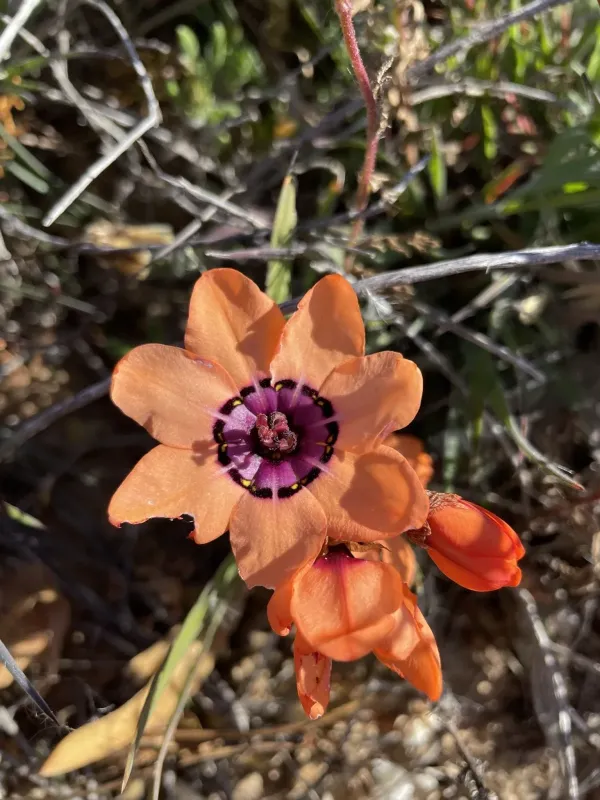
Sparaxis elegans is a cormous perennial belonging to the Iridaceae family, commonly known for its vivid, star-shaped flowers.
The planting of corms typically occurs in spring once the soil temperature is consistently above 10 degrees Celsius, ensuring protection against late frosts.
For seed propagation, sowing is performed in greenhouses or protected frames during late winter, requiring a cold stratification period to enhance germination rates.
Corms should be planted at a depth of 5 to 8 centimeters in well-aerated soil to encourage healthy root development and prevent stem overcrowding.
Proper spacing of 10–15 centimeters is essential to promote airflow, which significantly reduces the risk of fungal proliferation in the foliage.
Growing requirements
This species thrives in full sunlight, necessitating a location that receives at least 6–8 hours of direct light per day for optimal bloom.
Soil requirements focus on excellent drainage; adding coarse sand or organic matter is recommended for heavier soil profiles to prevent water stagnation.
A neutral to slightly acidic soil pH is ideal for nutrient uptake and overall plant vigor throughout the vegetative cycle.
Thermal stability is crucial; the plant performs best in moderate temperatures, avoiding extreme heat stress or freezing conditions.
Fertilization with a balanced NPK fertilizer, specifically focusing on potassium, supports the development of robust flower spikes and healthy corm renewal.
Main diseases and pests
Fungal diseases, particularly crown rot and botrytis, are the primary threats when moisture levels exceed optimal conditions for the plant.
Common insect pests include aphids and spider mites, which can sap the plant's vitality and facilitate the spread of secondary pathogens.
Thrips may infest the buds, causing distorted or discolored flowers that significantly diminish the ornamental value of the crop.
Integrated pest management strategies should include the use of selective insecticides and the maintenance of a clean, weed-free growing environment.
Regular inspection and sanitation of the growing area serve as the most effective preventative measure against widespread infestation.
Harvesting
The harvest of corms is initiated once the foliage has turned yellow and died back, signaling the end of the dormancy transition period.
After excavation, the corms should be cleaned of loose soil and cured in a cool, shaded environment for several days to allow the outer layers to harden.
Storage requires a dry, well-ventilated space maintained at 5–10 degrees Celsius to prevent premature sprouting or decomposition.
Proper labelling and categorization during the storage process ensure that the highest quality material is selected for the following planting season.
Monitoring the storage conditions throughout the winter months is essential to ensure the viability of the planting stock for the upcoming year.