
Sparaxis hybrids
Sparaxis hybrids
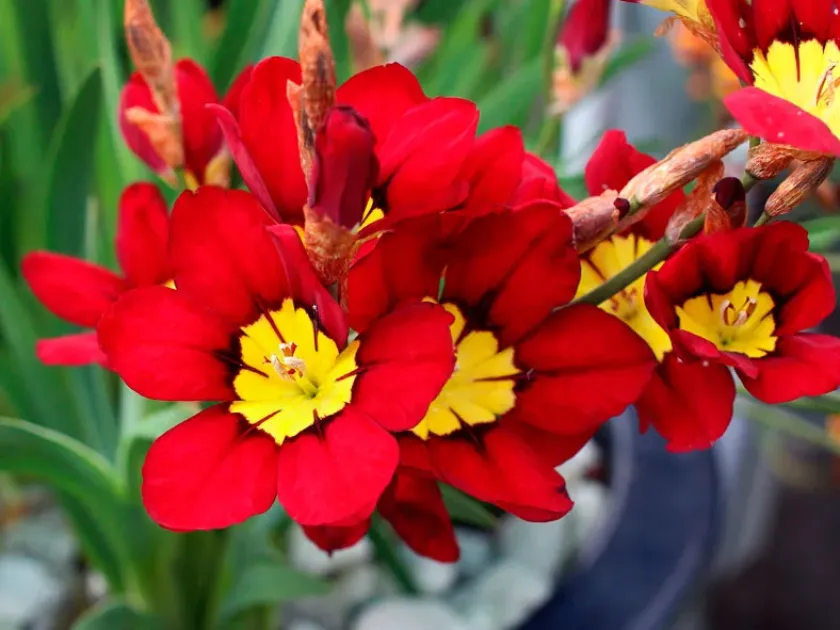
Description
Sowing dates
Planting of Sparaxis hybrids corms should occur in spring once the soil temperature consistently reaches 10–12 degrees Celsius in open fields.
Place corms at a depth of 5–8 cm in well-drained soil, ensuring the pointed end is facing upwards to facilitate natural shoot development.
Maintain a spacing of 10–15 cm between plants to ensure sufficient airflow and nutrient availability during the peak growing season.
Choose an open, sunny location protected from strong winds, as the slender stems of Sparaxis are prone to lodging if exposed to harsh elements.
As a member of the Iridaceae family, Sparaxis hybrids thrive in climates that mimic their native South African spring conditions.
Growing requirements
These plants demand full sun exposure for several hours a day to produce the vibrant, multicolor blooms characteristic of the species.
The soil must be light, sandy, and porous; heavy clay soils should be amended with organic matter or grit to improve drainage and prevent root rot.
Watering should be balanced, providing moisture during active growth but allowing the soil to dry out slightly between irrigation cycles.
Sparaxis hybrids are not frost-hardy and require winter protection or lifting in regions where temperatures drop significantly below freezing.
Supplemental fertilization with a balanced NPK fertilizer during the early vegetative stage supports vigorous growth and robust floral displays.
Main diseases and pests
Root and bulb rot caused by fungal pathogens represent the greatest threat, especially in soils with inadequate drainage or excessive humidity.
Common pests include aphids and thrips, which can stunt plant growth and damage leaves, necessitating timely application of appropriate pesticides.
Care must be taken to avoid over-fertilization, as this can encourage soft tissue growth, making the plants more susceptible to disease outbreaks.
Regular inspection of the foliage for signs of chlorosis or leaf spot helps in identifying and treating infections at their early stages.
Implementing crop rotation is highly recommended to prevent the buildup of soil-borne pathogens in areas where Sparaxis are grown annually.
Harvesting
Harvest the corms once the foliage has turned yellow and withered naturally, indicating that the plant has completed its cycle and stored energy.
Gently lift the corms from the soil and remove excess dirt before allowing them to cure in a dry, ventilated area out of direct sunlight.
Once cured, clean and inspect the corms, discarding any that show signs of decay or damage to maintain the health of the stock.
Store the cleaned corms in a cool, dry environment with good air circulation until they are ready for planting in the subsequent season.
Proper storage is essential to prevent desiccation and preserve the viability of the corms throughout the dormancy period.